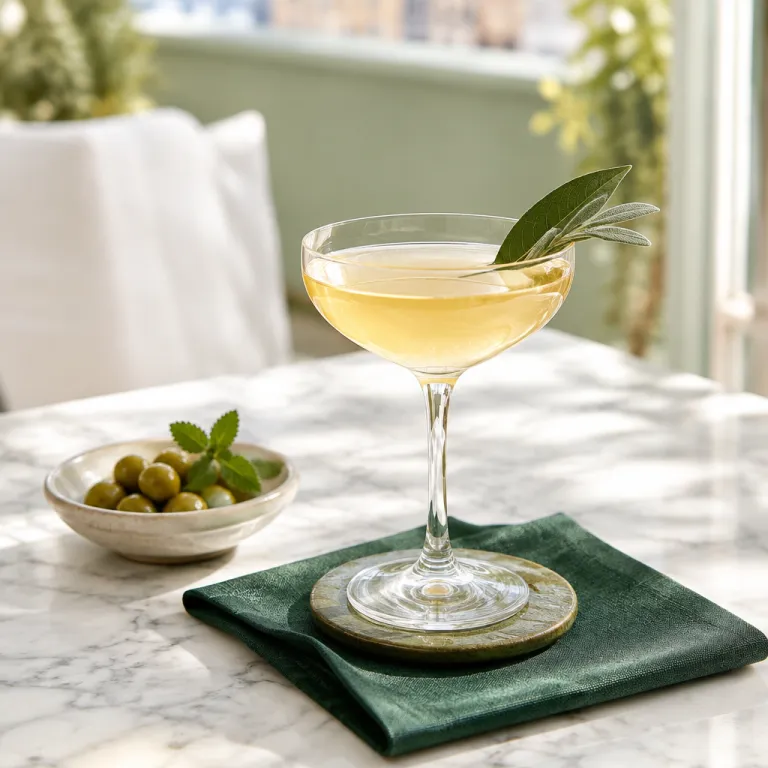
Why Portuguese cocktails belong in your Lisbon hotel stay
Arriving in Lisbon, many travellers think first about tram rides and tiled façades, yet the city’s refined culture of Portuguese cocktails can shape the entire mood of a hotel stay. In a capital where vinho, fortified wine and carefully mixed wine drinks sit beside classic spirits, the bar you choose in your hotel can be as decisive as the room category. When you plan where to sleep in Portugal, you should also picture the first glass in your hand at the end of a long day.
Lisbon’s best hotel bars treat cocktails as a lens on Portuguese food, wine and history, not just as colourful drinks. At Four Seasons Hotel Ritz Lisbon, for instance, a skilled bartender might guide you from a crisp white wine spritz with plenty ice and delicate lemon peel to a richer blend of port wine and almond liqueur that pairs with late night petiscos. This kind of curated tour through Portuguese drinks turns a simple alcoholic drink into a narrative about local vineyards, Atlantic light and the slow rhythm of a summer drink enjoyed above the city’s rooftops.
Location matters as much as the menu when you are choosing a base in Lisbon for wine drinks and cocktails. Properties in Chiado and Príncipe Real, such as Bairro Alto Hotel or Memmo Príncipe Real, often feature panoramic terraces where a glass of white port or espumante feels different than it does in a ground floor bar. Down by the river in Belém, you may prefer a shaded courtyard where a sweet moscatel based drink or a chilled vinho verde spritz with ice cubes becomes the highlight of a quiet afternoon.
From lobby bar to rooftop: matching hotels with Portuguese cocktails
Not every hotel bar in Lisbon is equal when it comes to Portuguese cocktails, so it pays to match your preferences with the property’s style. If you favour lighter Portuguese wine based drinks, look for a rooftop with a strong list of white wine, vinho verde and espumante, ideally served in tall glasses with plenty ice to soften the heat. Travellers who love deeper flavours should prioritise lounges known for port wine, madeira and other fortified wine options that work beautifully as contemplative nightcaps.
Guests with dietary needs can still enjoy the full ritual of a pre dinner drink when they choose carefully. Many refined hotel restaurants now coordinate their cocktail lists with gluten free Portuguese food menus, and you can research this in advance through an elegant guide to gluten free restaurants in Lisbon. Once seated, ask the bartender to suggest Portuguese drinks that echo the flavours of your food wine pairing, perhaps a white port and tonic before grilled fish or a red wine based spritz alongside richer meat dishes.
Design also shapes how you experience each drink during your stay in Portugal. A quiet lobby bar with soft lighting suits a single glass of moscatel or licor Beirão sipped slowly after a long tour of the city. By contrast, a rooftop with a resident DJ invites brighter summer drink options such as vinho verde cocktails, almond liqueur highballs over ice cubes and playful twists on poncha da Madeira that use local sugar cane spirits and fresh citrus. At The Lumiares Hotel & Spa, head bartender João Silva notes that “Lisbon’s rooftops are our second dining rooms, so every cocktail has to taste like the city at golden hour.”
Essential Portuguese cocktails every Lisbon hotel guest should try
Once you have chosen your hotel in Lisbon, it is time to focus on which Portuguese cocktails deserve space in your limited number of evenings. Start with the classics built on Portuguese wine, such as a white port and tonic served in a large glass with lemon peel and plenty ice, which works beautifully as a pre dinner drink. This style of cocktail highlights the balance between sweet and dry notes in white port, while the tonic and citrus keep it refreshing enough for a warm day by the pool.
Another essential is a port wine sour, where tawny port, fresh lemon juice and a touch of sugar create a rich yet bright alcoholic drink that pairs well with savoury Portuguese food. Fans of madeira should seek out poncha da Madeira, traditionally made with sugar cane spirit, honey and citrus, which some Lisbon bars reinterpret with espumante or white wine for lighter wine drinks. When you plan a dedicated wine tasting journey from Lisbon, you will often see these same regional styles echoed in tasting room cocktails that bridge the gap between neat pours and mixed drinks.
Do not overlook moscatel based cocktails, which bring a naturally sweet profile that works both as an aperitif and as a dessert style drink. A simple mix of chilled moscatel, plenty ice and a twist of lemon peel can be as satisfying as more complex Portuguese cocktails, especially when enjoyed with small plates of cheese or almond based pastries. For guests who love red wine, some bars now offer red wine spritzes with soda and citrus, giving you a lighter way to enjoy Portuguese wine flavours in the heat of a Lisbon summer. As a quick tasting checklist, try to sample at least one white port and tonic, one vinho verde spritz, a moscatel cocktail and a fortified wine sour during your stay.
Local spirits and liqueurs that define Portuguese drinks
Understanding the spirits behind Portuguese cocktails will help you read any Lisbon hotel bar menu with confidence. Aguardente, the local term for distilled grape spirit, appears in many regional recipes, from rustic countryside drinks to polished city cocktails that blend aguardente with citrus, sugar cane syrup and sometimes espumante. When aged, this spirit can resemble brandy, and bartenders may use it in place of international labels to keep the drink firmly rooted in Portugal.
Licor Beirão is another pillar of Portuguese drinks culture, made from a secret blend of herbs and spices that gives a sweet yet complex profile. In Lisbon hotel bars, you might find Licor Beirão served simply over plenty ice in a short glass, or shaken with white wine, lemon peel and ice cubes to create a fragrant summer drink that pairs well with light Portuguese food. Almond liqueur, often from Algarve producers, also appears in dessert style cocktails, sometimes combined with moscatel or madeira to echo the flavours of traditional sweets.
On the fortified wine side, port wine, madeira and moscatel each bring distinct personalities to Portuguese cocktails. White port tends to yield fresher, more citrus driven drinks, while tawny port and red port lean into nutty, caramel and dried fruit notes that suit after dinner moments. Madeira, especially when used in poncha da Madeira variations, offers a tangy, almost savoury edge that works beautifully with grilled seafood and other coastal dishes in Lisbon hotel restaurants.
Pairing Portuguese cocktails with Lisbon’s food, wine and petiscos
For travellers who care about gastronomy, the real pleasure lies in pairing Portuguese cocktails with thoughtful plates of Portuguese food. Before dinner, a glass of vinho verde based spritz with plenty ice and lemon peel works beautifully with salted almonds, tinned fish and other light petiscos, because the gentle fizz and low alcohol of vinho verde refresh the palate. If you prefer something sweeter, a moscatel cocktail with ice cubes and a twist of citrus can complement creamy cheeses and small pastries without overwhelming them.
During the meal, consider how wine drinks and cocktails can alternate to keep the experience lively. You might start with a white wine based cocktail, move to a bottle of Portuguese wine such as a structured red wine from the Douro, then return to a port wine or madeira cocktail as a digestif. This rhythm allows you to enjoy both pure wine and mixed drinks, while your bartender adjusts sweetness and strength so that each alcoholic drink supports the food wine pairing rather than competing with it.
Late in the evening, when the city quietens and the Tagus reflects the lights of Lisbon, richer Portuguese cocktails come into their own. A blend of tawny port, almond liqueur and a hint of sugar cane syrup can echo the flavours of nut based desserts, while a simple glass of chilled white port with lemon peel offers a lighter alternative. If you still have energy for a short tour of nearby bars, ask your concierge to recommend places where locals love to end the night with aguardente or Licor Beirão, always served with respect for balance and moderation.
Planning your Lisbon days around wine, cocktails and city experiences
Thoughtful travellers often plan their Lisbon itineraries so that wine, Portuguese cocktails and sightseeing form a coherent whole. Mornings might be dedicated to culture and architecture, leaving afternoons free for a relaxed drink by the pool or in a shaded courtyard with a glass of vinho verde or white wine. As the light softens, you can move to the rooftop bar for an aperitif based on espumante or white port, then head out into the city for dinner and a final fortified wine nightcap.
Transport logistics also shape how you enjoy alcoholic drink options during your stay in Portugal. If you plan to ride the famous Tram 28 between viewpoints and historic districts, it is worth reading a detailed guide such as this one on how to ride Lisbon’s iconic Tram 28, so that you can time your rides before or after cocktail hours. That way, you can enjoy a port wine based drink or a poncha da Madeira twist back at your hotel without worrying about crowded trams or long queues at the end of the day.
For guests who truly love the intersection of Portuguese wine, cocktails and travel, it can be rewarding to schedule at least one dedicated tour focused on vineyards or historic taverns. Many operators now offer half day excursions from Lisbon that combine winery visits, tastings of red wine and white wine, and short workshops on how to turn these bottles into refined wine drinks at home. Returning to your hotel after such a tour, you will read the cocktail list differently, recognising the specific regions behind each glass and appreciating how local bartenders translate the landscapes of Portugal into liquid form. A simple one day itinerary might include a morning museum visit, a late lunch with vinho verde, a rooftop aperitif at a central hotel bar and a final nightcap in a quiet lobby lounge.
Key figures on Portuguese wine and cocktail culture
- Portugal consistently ranks among the world’s top ten wine producing countries, with around 190 000 hectares of vineyards under cultivation according to the International Organisation of Vine and Wine (OIV, 2023); this deep production base feeds both traditional wine service and innovative Portuguese cocktails in Lisbon hotels.
- Port wine exports regularly exceed 80 million litres per year, based on data from the Instituto dos Vinhos do Douro e do Porto (IVDP, 2022), which explains why hotel bars in Lisbon maintain extensive port selections for both neat pours and mixed drinks.
- Vinho verde accounts for roughly 15 % of Portugal’s total wine production, according to the Comissão de Viticultura da Região dos Vinhos Verdes (CVRVV, 2022), and its naturally high acidity and lower alcohol make it a preferred base for summer drink spritzes served with plenty ice in coastal cities such as Lisbon.
- Tourism statistics from Turismo de Portugal (2023) show that wine and gastronomy experiences are among the top motivators for international visitors, which has encouraged many Lisbon hotels to expand their wine drinks and cocktail programs in recent years.
- Studies from the European Commission on alcohol consumption in the European Union (2021) indicate that moderate wine consumption, often defined as up to one glass per day for women and two for men, is the prevailing pattern in Portugal, and responsible service policies in Lisbon hotels reflect this emphasis on balance and food pairing.
FAQ about Portuguese cocktails in Lisbon hotels
Which Portuguese cocktails should I try first in my Lisbon hotel bar ?
Start with a white port and tonic served with plenty ice and lemon peel, then move to a moscatel based aperitif and, if you enjoy stronger flavours, a poncha da Madeira variation using sugar cane spirit. These three drinks showcase the range from light and refreshing to rich and aromatic. They also pair easily with typical Portuguese food such as petiscos, cheeses and pastries.
Can I find good non alcoholic options alongside Portuguese cocktails ?
Most quality hotel bars in Lisbon now offer sophisticated alcohol free drinks that echo the flavours of Portuguese cocktails without the alcohol. You might see mocktails built around citrus, herbs and tonic water that mirror white port and tonic, or grape juice blends that recall vinho verde spritzes. Always ask the bartender to suggest pairings that still work with your chosen food wine combinations.
How do I pair Portuguese cocktails with traditional Portuguese food ?
As a rule, lighter cocktails based on vinho verde, white wine or espumante suit seafood, salads and vegetable dishes, while richer drinks using port wine, madeira or almond liqueur work better with meat and desserts. A moscatel cocktail can bridge both savoury and sweet courses if it is not overly sweet. When in doubt, ask your server to recommend a drink that matches the intensity of your dish rather than its colour.
Is it better to drink Portuguese wine neat or in cocktails during my stay ?
Both approaches have merit, and the best choice depends on the time of day and your mood. Neat pours of Portuguese wine, especially red wine and aged fortified wine, are ideal when you want to focus on structure and terroir, while cocktails offer a playful way to enjoy familiar flavours in new forms. Many travellers alternate, enjoying neat glasses during winery tours and more relaxed wine drinks back at the hotel bar.
Do Lisbon hotel bars usually include local spirits such as aguardente and Licor Beirão ?
Higher end hotel bars in Lisbon almost always stock aguardente, Licor Beirão and at least one almond liqueur, because these spirits are central to Portuguese drinks culture. You will often find them both in classic recipes and in signature Portuguese cocktails created by the head bartender. If they are not listed on the menu, ask directly, as some bars keep special bottles for guests who show particular interest in local flavours.