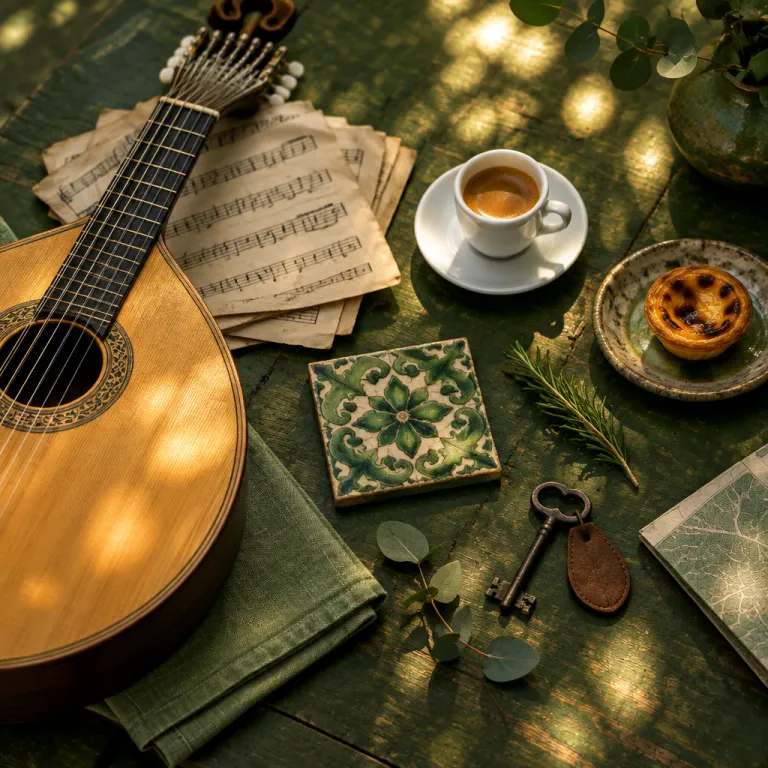
Autumn fado in Lisbon’s Alfama: why where you sleep matters
Autumn changes fado in Lisbon more than any guidebook admits. When the cruise ships thin out, the balance in Alfama’s fado houses tilts back toward neighbours, off duty waiters, and the occasional singer finishing a shift in another dining room. For a solo traveller choosing where to book a room, that seasonal shift in fado Lisbon Alfama is the difference between a scripted spectacle and a night that feels quietly shared with the bairro.
In peak summer, many larger fado houses along Rua dos Remédios and Rua dos São Pedro operate like theatre, with fixed menus, rigid fado dinner seatings, and a crowd that has arrived by coach rather than by walking tour. By late autumn, you can slip into a dimly lit fado house on a side street, order a glass at the bar instead of a full dinner, and listen to fado music with locals who know every verse. The same streets, the same houses, but the time of year in Lisbon decides whether you are rushed through a menu or allowed to linger until the last alto note fades.
Staying in or beside Alfama means you can treat fado Lisbon Alfama as part of your nightly rhythm, not a single big-ticket event. You can step out from your house or guest room, follow the sound of fado music drifting up from a tasca, and choose between a full fado dinner or a simple drink before bed. When you can walk home in five minutes through the bairro instead of negotiating taxis across Lisbon, you give yourself permission to stay for one more singer and one more song.
Choosing Alfama, Mouraria or Graça for a fado-first stay
For a solo woman planning a Lisbon itinerary around music, the map matters as much as the room category. Alfama, Mouraria and Graça form a triangle of steep lanes and tiled houses where traditional fado still feels woven into daily Portuguese life, not just staged for visitors. Base yourself here and fado Lisbon Alfama becomes a nightly option, not a once-off booking you tick off between tram rides.
Alfama is the densest cluster, with classic fado houses along Rua dos Remédios, Rua dos Bacalhoeiros and the lanes above the Sé, where you will find everything from polished venues like Clube de Fado to tiny tascas such as Tasca Bela that feel more like a family dining room. Mouraria, uphill behind Martim Moniz, is rougher around the edges but historically the cradle of fado vadio, the more improvised style of fado music that spills from bars and informal clubes rather than from a single formal fado house. Graça, higher again, offers quieter houses and a great walk home past viewpoints like Miradouro da Senhora do Monte, where you can hear distant Lisbon fado carried on the wind.
If you prefer to stay slightly away from the crowds yet still walk to a fado dinner, Graça and the upper edge of Alfama near Rua dos Sapateiros work well, while Bairro Alto across town offers a different, more bohemian take on Lisbon fado with louder bars and later nights. Before you book, study not just the hotel photos but the walking routes back from Rua dos Remédios, Mouraria’s Rua dos Cavaleiros, and the lanes around Clube Fado, so you know exactly how you will feel returning alone at closing time. For a deeper breakdown of which streets balance safety, atmosphere and proximity to fado houses, the guide on how to choose a Lisbon hotel near the best fado music shows is worth reading before you commit.
Reading the room: tourist shows, local casas and how to behave
Once you have a key in your pocket somewhere in Alfama or Mouraria, the next step is learning to read a fado house from the door. In autumn, when the queues of tour groups have eased, you can usually tell within seconds whether a place is geared toward quick fado dinner packages or toward a slower, more local experience fado regulars actually seek. Look for a smaller dining room, a menu written in Portuguese first, and a mix of ages at the tables rather than a single language dominating the bar.
Traditional fado houses in Lisbon often work on a simple rhythm ; songs come in short sets, then the lights rise slightly and the staff quietly serve food, before the room falls dimly lit again for the next singer. In the more touristy parts of Bairro Alto, you may find louder bars where fado music competes with chatter and where the bairro alto crowd drifts in and out between cocktails, which can be fun but rarely offers the same intensity as a focused fado house in Alfama. In the older streets off Rua dos Remédios or near Tasca Bela, silence during the songs is non negotiable, and you will feel the room turn if a phone lights up or cutlery clatters too loudly.
Arrive a little later than the first sitting if you want to avoid the most structured menus and experience fado as locals do, often after a separate dinner of Portuguese food in a nearby tasca or house kitchen. Order something modest at the bar if you are not hungry, respect the unwritten rules of quiet during each fado book of songs, and let the time stretch rather than rushing to tick off every bairro in one night. The reward is that walk back through Lisbon’s tiled houses and stairways, when the last alto phrase still hangs in your ears and the city feels briefly like it belongs to you.
Designing an autumn day around a night of fado Lisbon Alfama
To make the most of shoulder season, plan your Lisbon itinerary so that your fado night is the natural end to a day spent in the same bairros. Start with a morning walking tour through Alfama and Mouraria, tracing the steep lanes from the Castelo down to Rua dos Remédios, noting which fado houses feel inviting for later. This way, when you book a table or simply a bar stool for fado Lisbon Alfama, you already understand how the streets connect and which house doors you passed in daylight.
Spend the afternoon between miradouros like Portas do Sol and Graça, watching how the light falls on the terracotta roofs and the river, then duck into a tasca for an early Portuguese food stop before the music. A simple grilled fish in a neighbourhood house, a glass of vinho verde at a small bar, and a slow stroll back down Rua dos or through the alleys near Clube Fado will set the pace for an unhurried evening. By the time you step into a dimly lit dining room for a fado dinner, you are not just a guest in Portugal but briefly part of the bairro’s own routine.
Autumn’s cooler air and earlier nights mean you can linger between sets without worrying about the heat, and you will notice more local couples, off duty singers and musicians slipping into their favourite fado houses after work. Whether you choose a polished room like Clube Fado or a more intimate tasca such as Tasca Bela, the key is to let the experience fado unfold slowly, then walk home through Lisbon at your own time. In the end, what stays with you is not the star rating of your house but the quiet climb back to your room, when the music from Alfama’s houses still seems to follow you up the hill.
FAQ
Is it better to stay in Alfama or Bairro Alto for fado in autumn ?
For autumn fado, Alfama usually offers a more local atmosphere, with smaller fado houses and a higher chance of sharing the room with Lisbon residents rather than tour groups. Bairro Alto has more bars and late night options, but the music can feel secondary to the party. If you want to walk home quietly after traditional fado, Alfama or nearby Graça are stronger choices.
Do I need to book a fado dinner in advance in shoulder season ?
In autumn you often can find space without a long wait, especially on weeknights, but the most respected fado houses in Alfama still appreciate a reservation. If you have your heart set on a specific house or singer, call or email ahead to secure a table. For more casual bars and smaller tascas, arriving early in the evening usually works.
Is it safe to walk back to my hotel after late fado shows ?
Central Lisbon, particularly Alfama, Mouraria and Graça, is generally safe for walking, though the streets are steep and sometimes poorly lit. Choose accommodation on or near the routes you will actually use, such as the lanes off Rua dos Remédios or the main stairs up to Graça, and avoid very isolated shortcuts. As a solo traveller, trust your instincts and stay on streets where you see other people around closing time.
How can I tell if a fado house is too touristy ?
Large rooms with fixed menus, early sittings and groups arriving together from buses usually signal a more tourist oriented show. Smaller dining rooms, a menu in Portuguese, and a mix of ages at the tables suggest a place where locals still come for the music. In autumn, you can often step inside, read the room for a minute, and politely leave if it feels more like theatre than a shared experience.
Can I enjoy fado without committing to a full dinner menu ?
Yes, especially in shoulder season, many fado houses and bars in Alfama and Mouraria will let you sit at the bar or a side table with just a drink or a light snack. Some traditional venues still require ordering from the menu, but you can ask discreetly when you arrive. If you prefer flexibility, look for smaller tascas and clubes where the focus is clearly on the music rather than on a set fado dinner package.