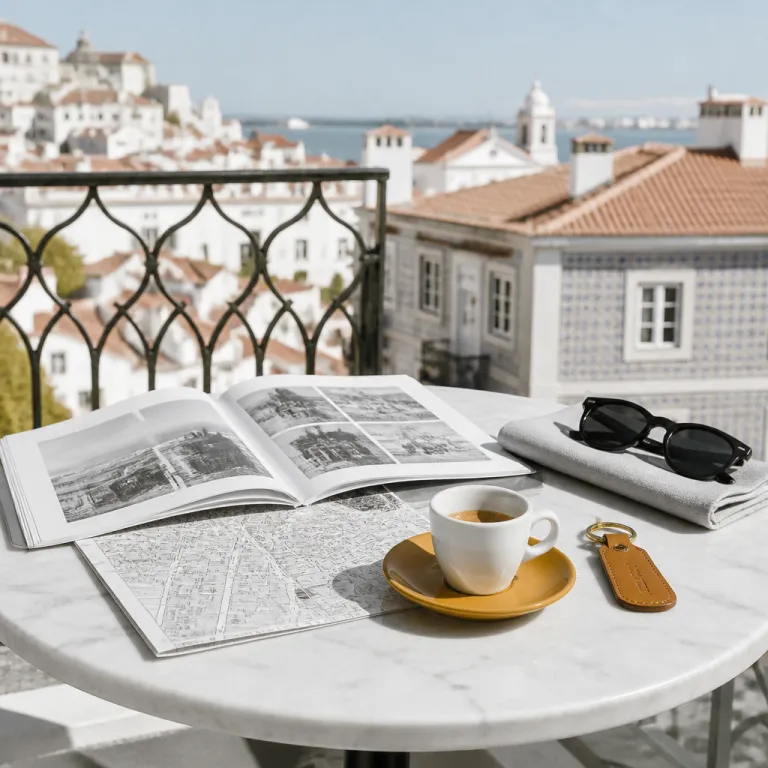
Designing your perfect day in Lisbon from your hotel
When you plan refined things to do in Lisbon, start by mapping how each day will unfold from the moment you step out of your hotel lobby. Your experience in Lisbon Portugal feels very different when your stay is located near a tram stop, a metro station, or a central square such as Praça do Comércio or Rossio, because you shorten every transfer and gain more time for the city itself. On a short day Lisbon break, this practical approach lets you focus on the best streets, viewpoints, and restaurants instead of wasting precious hours in transit.
Ask your hotel concierge for a personalised walking tour that links the main things Lisbon is known for, such as the historic Alfama district, the Baixa Chiado shopping streets, and the riverfront promenade along the Tagus River. A good travel guide on the concierge desk will highlight how to combine a classic tram ride, a visit to São Jorge Castle, and a tasting of pastéis de nata in a single day trip style loop that still feels relaxed. You will find that hotels with strong local partnerships in Lisbon Portugal can secure timed tickets, restaurant reservations, and private guides, turning a simple stay into a curated city experience; at some properties, concierges even share their own favourite cafés or miradouros based on years of living in the neighbourhood.
For a first stay Lisbon itinerary, dedicate one full day to the historic core and another to Belém, then keep a flexible third day for the Time Out Market and the Oceanário de Lisboa. This rhythm balances headline attractions with quieter Portuguese neighbourhood streets, so you never feel rushed yet still cover the best things to do in Lisbon. When you book, ask whether the concierge team can pre-plan each day Lisbon programme around your arrival time, mobility needs, and appetite for food, culture, or nightlife; many guests simply email a short list of priorities and receive a draft schedule before they even land.
Historic Lisbon from your doorstep: Alfama, São Jorge and tram routes
Choosing a hotel located near Alfama or Baixa Chiado places you within walking distance of many essential things to do in Lisbon. From these central districts, you can join a guided walking tour that climbs through Alfama’s steep street network towards São Jorge Castle while your guide explains how the city grew around this medieval fortress. The castle’s walls offer some of the best panoramic views over Lisbon Portugal, the Tagus River, and the red rooftops that stretch towards Belém; standard adult tickets cost around €15 and the site usually opens from 9:00 until early evening, depending on the season.
Historic tram routes, especially the famous tram 28E, connect several of these highlights in a single day, which is ideal if your stay is short or the weather is hot. Your concierge will often recommend riding the tram uphill early in the day, then returning to your hotel on foot via a walking tour route that passes small Portuguese restaurants, traditional pastelaria cafés, and hidden miradouros such as Miradouro de Santa Luzia. Along the way, you will find bakeries serving both a classic pastel nata and more elaborate pastéis de nata variations, which quickly become a daily ritual during any trip; a single tart typically costs around €1.20 to €1.50, so it is an easy indulgence.
Hotels that understand how guests actually move through the city will provide printed maps with suggested things Lisbon routes, including timings between São Jorge Castle, the cathedral, and the waterfront. Many now integrate mobile apps that mirror professional travel guide tools, allowing you to follow self-guided tours while still having concierge support on call. This blend of digital navigation and human advice turns a simple day Lisbon outing into a layered cultural experience, especially when you pause for live fado music in Alfama before walking back to your room; popular houses such as Clube de Fado or A Baiuca often require reservations, which your hotel can arrange.
Riverside elegance: Belém, the Tagus River and cultural landmarks
Any refined list of things to do in Lisbon must include a dedicated day trip style excursion to Belém, the riverside district west of the city centre. From many central hotels located near Cais do Sodré or Baixa Chiado, you can reach Belém by tram, train, or taxi in less than thirty minutes, which makes it easy to plan around your preferred time of day. The ride itself follows the Tagus River, giving you a sense of Lisbon Portugal as a maritime capital long before you even step into a monument; the train from Cais do Sodré to Belém usually takes about seven minutes and runs several times an hour.
Once in Belém, your first stops will usually be the Jerónimos Monastery and the Belém Tower, two World Heritage sites that dominate most travel guide recommendations. Hotel concierges often pre-book entry slots or arrange a private tour, so you can move smoothly between cloisters, river views, and nearby museums without queuing in the heat of the day. Between visits, you will find the original bakery that popularised the pastel nata, Pastéis de Belém, where trays of warm pastéis de nata emerge constantly from the ovens and quickly become one of the most memorable things Lisbon offers to food lovers.
Because Belém sits directly on the Tagus River, many hotels now suggest combining cultural visits with a short river cruise timed around sunset. This allows you to see the city skyline, the Ponte 25 de Abril bridge, and the statue of Cristo Rei from the water, then return to your stay Lisbon base in time for dinner. If you prefer to keep your day flexible, ask the concierge to mark alternative tram and bus routes back to the city, so you can linger in riverside gardens or modern Portuguese restaurants without worrying about transport; a single tram ticket bought on board usually costs a few euros, so carrying small change is helpful.
Food-focused stays: Time Out Market, neighbourhood restaurants and Portuguese flavours
For many guests, the most memorable things to do in Lisbon revolve around food, from market tastings to late-night dinners in Bairro Alto. A hotel located within a short walk or a quick tram ride of Time Out Market, often called the Time Market by visitors, gives you effortless access to dozens of curated food stalls under one roof. Here you will find both classic Portuguese dishes and contemporary twists, which makes it an ideal first-night introduction to Lisbon Portugal cuisine; most stalls serve small plates, so you can sample several specialities in a single sitting.
Ask your concierge to design a progressive dinner that starts with petiscos, the Portuguese answer to tapas, at Time Out Market before moving into smaller neighbourhood restaurants in Cais do Sodré or Baixa Chiado. Many hotels maintain updated lists of the best local spots for seafood, regional wines, and desserts such as pastel nata or more elaborate pastéis de nata, so you can avoid tourist traps and focus on quality. A well-briefed concierge will also know which streets in Bairro Alto are liveliest on each day of the week, allowing you to match your evening to your preferred noise level and crowd; one traveller described starting with oysters at the market, then ending with a quiet glass of vinho verde on a side street away from the main bars.
During a longer stay Lisbon experience, consider booking a guided food tour that starts from your hotel lobby and weaves through markets, tascas, and pastry shops across the city. These tours often include a visit to Time Out Market as well as smaller venues where you will find seasonal dishes that rarely appear in standard travel guide listings. By the end of your trip, you will understand why culinary experiences are now among the best rated things Lisbon offers, and you may even plan a future day trip focused solely on regional wines and coastal seafood, perhaps in nearby Cascais or along the Setúbal peninsula.
Viewpoints, nightlife and personalised concierge planning
Lisbon is famous for its miradouros, the hilltop terraces that frame the city and the Tagus River in sweeping panoramas. When you book, ask whether your hotel concierge can map a sunset route that links Miradouro de Santa Luzia, Miradouro Santa Catarina, and the viewpoints near São Jorge Castle, depending on how much walking you enjoy in a single day. These elevated spots are among the best things to do in Lisbon for photography, and they help you understand how the historic quarters of Alfama, Baixa Chiado, and Bairro Alto fit together; many visitors time their route so that the final stop coincides with the golden hour light over the river.
Nightlife planning is another area where a strong concierge team transforms a simple stay into a tailored trip. Some guests prefer quiet wine bars and intimate fado houses in Alfama, while others will seek the energetic streets of Bairro Alto or the riverside clubs near Cais do Sodré, and a good travel guide cannot always capture these nuances. By sharing your preferences in advance, you will find that the concierge can reserve restaurants, suggest safe late-night tram or taxi routes, and even arrange a private walking tour that introduces you to the city after dark; in many cases, they will also flag which areas are best avoided at very late hours.
For guests balancing business and leisure, or those travelling with family, personalised planning ensures each day Lisbon schedule remains realistic. The concierge can cluster things Lisbon highlights by area, perhaps dedicating one day trip to Belém and another to the Oceanário de Lisboa and Parque das Nações, while leaving flexible time for markets or shopping. This approach respects your energy levels and ensures that every hour of your stay Lisbon experience feels intentional, whether you are sipping a pastel nata with coffee or watching the city lights shimmer on the Tagus River from a rooftop bar.
Beyond the city: Sintra day trips and extended itineraries
Once you have explored the core things to do in Lisbon, a well-planned day trip to Sintra adds a fairytale dimension to your stay. Many hotels in Lisbon Portugal now treat a trip to Sintra, often searched as a trip Sintra, as an essential extension of the city experience, arranging early transfers so you can reach the palaces before the main crowds. From your perspective as a guest, this means you can enjoy Pena Palace, the Moorish Castle, and Sintra’s historic centre while still returning to your Lisbon hotel in time for dinner; the train from Rossio Station to Sintra usually takes about forty minutes.
Concierges usually coordinate with trusted tour operators to offer either private drivers or small-group excursions, depending on how much flexibility you want in your day. These partners understand that your time is limited, so they design routes that combine the best Sintra highlights with coastal viewpoints such as Cabo da Roca, then bring you back along the shoreline towards the Tagus River and the western districts of the city. During the drive, your guide often acts as a live travel guide, suggesting additional things Lisbon offers for the following day, from new restaurants to lesser-known museums like the National Tile Museum or the Gulbenkian collection.
Guests staying longer than three nights will find that alternating city days with excursions keeps the trip fresh and balanced. One day Lisbon might focus on Baixa Chiado and Praça do Comércio, another on Belém and riverside walks, and a third on a trip to Sintra or even Cascais. As one expert summary notes, “Spring and fall offer pleasant weather and fewer crowds.”, which makes these seasons ideal for combining urban exploration with coastal or countryside day trips arranged directly through your hotel concierge; this timing also helps you avoid the highest summer prices and midday heat.
Key figures that shape your Lisbon hotel and city experience
- Lisbon welcomes several million tourists each year, which means that central hotels and top things to do in Lisbon can book out quickly during peak months, so advance planning with your concierge is essential; in August and around Easter, popular properties in Baixa Chiado and Alfama often reach full occupancy.
- There are numerous established fado houses in Alfama alone, giving guests staying nearby a wide choice of authentic Portuguese music experiences within walking distance of their rooms.
- Public transport in Lisbon, including metro, tram, and buses, is considered efficient and reliable, allowing many visitors to design a car-free stay Lisbon itinerary that still covers Belém, Parque das Nações, and other outlying districts; a 24-hour public transport pass typically costs under €10 and includes most urban routes.
- Walking tours have grown significantly in popularity, reflecting the city’s compact historic core and the fact that many of the best viewpoints, such as Miradouro de Santa Luzia, are easiest to reach on foot from central hotels.
FAQ: planning hotel stays around the best things to do in Lisbon
What is the best time to visit Lisbon for a hotel stay ?
Spring and autumn offer mild temperatures, fewer crowds, and better hotel availability near key districts such as Baixa Chiado, Alfama, and Belém. These seasons make it easier to enjoy outdoor things to do in Lisbon, from tram rides to riverfront walks, without intense heat. You will find that many concierges recommend these periods for combining city exploration with a relaxed day trip to Sintra or Cascais, especially if you prefer to avoid long queues at major monuments.
Is public transportation reliable for reaching major attractions from my hotel ?
Lisbon’s public transport network is efficient, with metro lines, trams, and buses connecting most hotel areas to landmarks such as São Jorge Castle, Belém Tower, and Time Out Market. Many central hotels are located within a short walk of key stations, which simplifies your daily planning. Concierges often provide tailored directions and ticket advice, so you can move confidently between the city’s main things to do; some will even print step-by-step instructions or mark your route on a map.
Are guided tours available directly through hotels in Lisbon ?
Most quality hotels in Lisbon Portugal collaborate with local tour operators to offer guided walking tours, food tours, and day trips to Sintra or Fátima. Booking through your concierge ensures that pick-up points, timings, and language preferences match your stay Lisbon schedule. This arrangement also adds a layer of accountability and trust that you may not get when booking independently at the last minute, particularly for early-morning departures.
How many days should I plan for the main things to do in Lisbon ?
A three-night stay usually allows two full days in the city and one flexible day trip, which is enough for Alfama, Baixa Chiado, Belém, and a visit to Time Out Market. If you want a more relaxed rhythm with extra time for restaurants, museums, and viewpoints, consider four or five nights. Your concierge can then spread the key things Lisbon offers across several days, leaving space for spontaneous discoveries such as a new rooftop bar or a small gallery you notice while walking.
Do I need to book restaurants and attractions in advance through my hotel ?
For popular Portuguese restaurants, fado houses in Alfama, and major attractions such as Jerónimos Monastery or the Oceanário de Lisboa, advance reservations are strongly recommended. Hotel concierges can often secure preferred time slots and suggest alternatives if your first choices are full. This proactive approach ensures that your limited time in the city focuses on experiences rather than queues or last-minute changes, and it is particularly useful during weekends and local holidays.