Gluten free restaurants in Lisbon for hotel guests who love to eat well
Lisbon rewards travellers who care about good food and a safe gluten free diet. The city’s chefs now treat gluten as seriously as wine pairings, which means you can enjoy Portuguese cuisine without constant anxiety about cross contamination. If you are choosing a hotel in central Lisbon, you can stay within a short walk of several excellent gluten free restaurants and still feel immersed in authentic Lisbon food culture.
Many visitors arrive worried that traditional Portuguese dishes rely heavily on wheat flour and bread. In reality, a surprising number of traditional Portuguese recipes are naturally gluten free, especially those based on grilled fish, rice, potatoes, beans, and olive oil. With the right guide to gluten free restaurants Lisbon, you can find both a relaxed neighbourhood restaurant and more refined venues that understand allergy friendly service and coeliac safety.
When you book a hotel, ask the concierge for a printed menu in English at nearby places that offer gluten free options for coeliacs. A short list of trusted restaurants near your accommodation will save time and help you find a safe restaurant quickly after check in. This is especially valuable if you follow a combined gluten free diet and dairy free lifestyle, because you can confirm which dishes are fully gluten free and which contain butter, cream, or cheese.
Where to stay in Lisbon for easy gluten free dining
Choosing the right neighbourhood in Lisbon can transform your gluten free food experience. Staying near Baixa, Chiado, or Cais do Sodré places you close to many restaurants with clearly marked gluten free options and allergy aware staff. These central districts also make it easy to join a guided food tour that highlights Portuguese cuisine adapted for a gluten free diet without losing its character.
If you are travelling with children or planning a short city break, it helps to combine hotel research with planning where to eat in Lisbon Portugal when you stay near the city centre, so you never feel stranded at meal times. Look for hotels that already work with a dedicated gluten aware restaurant partner, because their breakfast buffets often include gluten free bread, rice cakes, and naturally gluten free snacks. Some properties even keep a separate toaster and sealed containers to reduce cross contamination risks for guests with a fully gluten free lifestyle.
Families who want a calm base can consider areas slightly away from nightlife, then rely on tram or metro to reach central gluten free restaurants Lisbon in under 20 minutes. When you review hotel descriptions, check whether they mention vegan and dairy free breakfast options, as this usually signals a broader understanding of special diets. Once you arrive, speak directly with the team about nearby Lisbon food favourites that can prepare a safe dish without wheat flour, cream, or butter.
Traditional Portuguese flavours made safe for a gluten free diet
Many travellers assume that traditional Portuguese cuisine is off limits when they follow a gluten free diet. In Lisbon, that is no longer true, because chefs are reworking classic dishes to be both authentic and safe for guests who avoid gluten and dairy. You can sit down in a typical restaurant and still enjoy the essence of Lisbon food, from grilled fish to slow cooked meats, without compromising your health.
Start with petiscos, the Portuguese answer to tapas, which often include naturally gluten free ingredients such as grilled chouriço, octopus salad, and cheese with olive oil and herbs. Ask for a separate plate of rice or potatoes instead of bread, and confirm that any fried dish uses a dedicated gluten free fryer to avoid cross contamination. Many allergy friendly restaurants in Lisbon now list which petiscos are fully gluten free and which can be adapted by removing bread, flour based sauces, or dairy toppings.
For mains, look for arroz de marisco, a rich seafood rice stew that is usually naturally gluten free when thickened without wheat flour. Bacalhau dishes can be safe if the restaurant avoids dusting the fish with flour before frying, so always ask whether they can grill it instead. When you join a food tour focused on Portuguese cuisine, the guide can help you find a restaurant where the chef understands dedicated gluten free preparation and can suggest a dish that suits both a gluten free diet and a dairy free preference.
Sweet endings: pastel de nata and other desserts without gluten
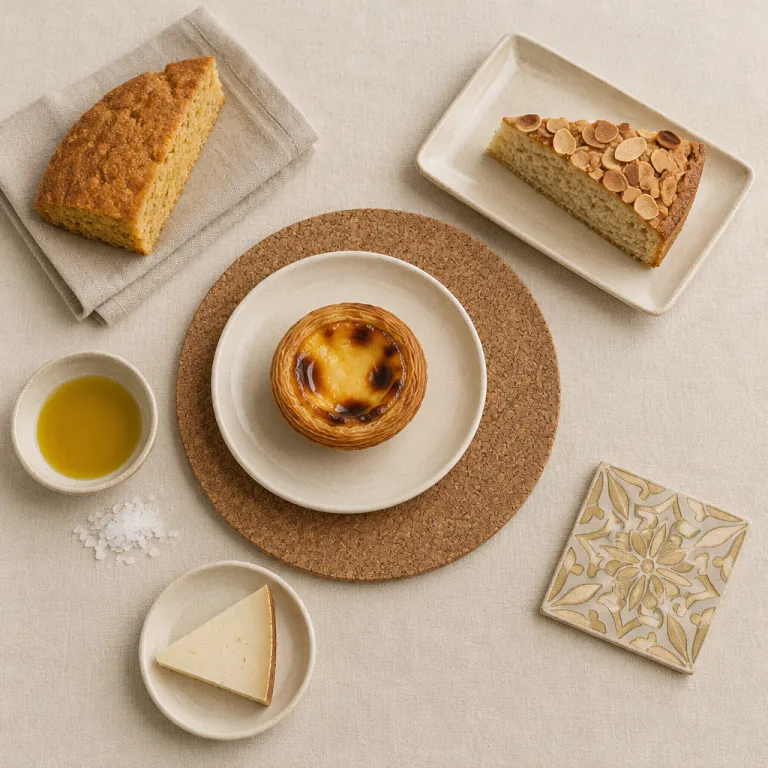
No stay in Lisbon feels complete without a pastel de nata, the iconic custard tart. For guests who need gluten free options, the challenge is the pastry shell, which traditionally uses wheat flour and butter. A growing number of gluten free restaurants Lisbon now serve a pastel de nata style dessert made with alternative flours and careful handling to keep it safe.
Some specialist bakeries offer a dedicated gluten free counter where every pastel de nata, cake, and biscuit is baked in a separate space to avoid cross contamination with wheat flour. When you visit, ask whether their pastel de nata is also dairy free, because many recipes still rely on milk and cream, and you may prefer a different dessert such as fruit rice pudding. Another classic choice is leite creme, a silky Portuguese custard similar to crème brûlée, which can often be prepared as a naturally gluten free dessert if the chef thickens it with egg yolks rather than flour.
Hotel concierges who understand food cultural trends in Portugal can point you towards cafés that specialise in allergy friendly sweets. These places usually label each dish clearly, indicating whether it is fully gluten free, vegan, or suitable for a combined gluten free diet that excludes both gluten and dairy. When in doubt, choose simple options such as baked fruit with olive oil and honey, which highlight Portuguese ingredients while remaining safe.
Modern allergy friendly restaurants and healthy concepts in Lisbon
Lisbon’s new generation of restaurants has embraced health conscious dining, which benefits anyone following a gluten free diet. Chains such as Honest Greens have become favourites among travellers who want quick, good quality meals with clear labelling and many gluten free options. At Honest Greens locations, you can usually build a plate around rice, vegetables, and grilled protein, then add naturally gluten free sauces and toppings.
These modern restaurants often combine gluten free, vegan, and dairy free choices on the same menu, making them ideal for mixed groups staying in nearby hotels. Look for a section that highlights fully gluten free dishes, and always confirm whether they use a dedicated gluten free preparation area for bread and desserts. Staff are generally well trained to explain cross contamination risks, so do not hesitate to ask whether a particular dish shares a fryer or grill with wheat based items.
Another interesting stop is Bali Cais, a relaxed restaurant near the waterfront that blends Asian inspired flavours with Portuguese ingredients. Here you can often find rice based bowls, grilled fish, and vegetable dishes that are naturally gluten free when soy sauce is replaced with tamari. Bali Cais is popular with locals who follow a gluten free diet for health reasons, so the team is used to adapting a dish to avoid flour, dairy, or other allergens.
How to read menus and ask the right questions
When you sit down in any restaurant in Lisbon, take a moment to study the menu carefully. Many places now mark gluten free options with a symbol, but you should still ask whether those dishes are prepared in a fully gluten safe way. A simple grilled fish with potatoes and salad may be naturally gluten free, yet still come into contact with bread crumbs or flour in the kitchen.
Use clear language when you speak with staff, explaining that you cannot eat any gluten, not even a small amount. Ask whether they have a dedicated gluten free fryer, separate utensils, and a plan to avoid cross contamination on the grill or preparation surfaces. If the team seems unsure, choose a very simple dish such as plain rice, salad with olive oil, and grilled meat cooked on a clean pan.
Some hotels keep a printed guide to nearby gluten free restaurants Lisbon that their guests have rated as safe. Request this list at check in, and add your own notes about which restaurant handled your allergy friendly needs well. Over a few days, you will build a personal map of gluten free Lisbon dining spots where you can relax and enjoy Portuguese cuisine without worry.
Planning your days: food tours, wine, and hotel friendly routes
One of the most enjoyable ways to understand Lisbon food culture is to join a curated food tour. Several operators now offer routes that highlight traditional Portuguese dishes while respecting a gluten free diet and other allergies. When you book, specify that you need fully gluten free and possibly dairy free tastings, so the guide can coordinate with each restaurant in advance.
A well designed food tour often includes a mix of petiscos bars, modern restaurants, and specialist bakeries, giving you a broad view of Portuguese cuisine in a single afternoon. You might start with grilled sardines and rice in Alfama, continue with naturally gluten free stews in Baixa, then finish with a pastel de nata style dessert at a dedicated gluten free bakery. This approach helps you find places you may want to revisit later from your hotel, turning a single tour into a practical guide for the rest of your stay.
Families or couples who want to combine sightseeing with safe meals can follow structured itineraries that balance attractions and restaurants. For example, you can plan two days in Lisbon with kids, where to stay, what to do, and how to get around while mapping gluten free restaurants Lisbon along tram routes and metro lines. This strategy ensures that every museum visit or viewpoint stop is followed by a nearby restaurant where you already know which dish on the menu is safe.
Wine, petiscos, and safe pairings for coeliacs
Portugal is renowned for its wine, and most wines are naturally gluten free, which is reassuring for coeliacs. When you sit down for petiscos and a glass of vinho verde or Douro red, focus on simple dishes that rely on olive oil, herbs, and fresh produce. Grilled chouriço, cheese boards, and marinated olives are usually safe, provided the restaurant avoids serving them with bread crumbs or flour thickened sauces on the same plate.
Ask your server to keep bread in a separate basket and to place any wheat based dish at a distance from your plate. If you are sharing food with friends, request individual portions of rice, potatoes, or salad so that serving spoons do not move between gluten and gluten free dishes. Many allergy friendly restaurants in Lisbon are used to this style of service, especially in areas popular with international guests who follow a strict gluten free diet.
When in doubt, choose wine bars that offer a concise food menu with clearly marked gluten free options, rather than complex restaurants with many fried items. A short list of cold dishes, grilled meats, and simple desserts such as fruit or leite creme without biscuit crumbs is easier to manage safely. This way, you can enjoy the best of Portuguese wine culture while keeping your gluten exposure under control.
Breakfasts, hotel dining, and late night gluten free options
Breakfast can be the most challenging meal for travellers who avoid gluten, because many hotel buffets focus on bread and pastries. When you book, ask whether the property offers gluten free bread, rice cakes, or other gluten free options, and whether they are stored separately from wheat products. Some hotels in Lisbon now provide a small dedicated gluten free corner with sealed packaging and a separate toaster to reduce cross contamination.
If your hotel cannot guarantee a safe breakfast, consider stocking up at a nearby supermarket or allergy friendly bakery. You can buy naturally gluten free yoghurt, fruit, nuts, and pre packed bread, then keep them in your room fridge for stress free mornings. This approach is especially helpful if you also follow a dairy free or vegan diet, because you control both the ingredients and the preparation.
Late night dining is easier in central Lisbon, where several restaurants and cafés stay open until midnight or later. Honest Greens and similar concepts often serve food throughout the evening, giving you reliable access to rice bowls, salads with olive oil dressings, and grilled proteins that are fully gluten free. When you return from a concert or fado performance, you will appreciate having a familiar restaurant near your hotel where the team already understands your gluten free diet needs.
Room service, mini bars, and practical hotel tips
Many upscale hotels in Lisbon now adapt room service menus for guests who follow a gluten free diet. Before arrival, email the property to ask whether they can provide a safe dish such as grilled chicken with rice and vegetables cooked in olive oil. Clarify that you need fully gluten free preparation, including separate utensils and no flour based sauces.
Check the mini bar for snacks that are naturally gluten free, such as plain nuts, crisps made without wheat flour, or dark chocolate. If the selection is limited, visit a nearby supermarket to stock allergy friendly items that suit your gluten free diet and any dairy free requirements. Keeping a small supply in your room means you are never forced to eat unsafe food when restaurants are closed.
Some hotels collaborate with nearby gluten free restaurants Lisbon to offer special set menus for their guests. Ask at reception whether they have such partnerships, and whether the restaurant can prepare a dedicated gluten free tasting menu that highlights Portuguese cuisine. This arrangement can be an elegant way to enjoy local dishes while staying within a short walk of your room.
How to evaluate safety: cross contamination, labelling, and communication
Understanding how restaurants manage cross contamination is essential for anyone with coeliac disease or strong gluten sensitivity. In Lisbon, awareness has improved significantly, but standards still vary between restaurants and neighbourhoods. Your goal is to identify places that combine good food with clear procedures for keeping gluten and gluten free dishes separate.
When you arrive at a restaurant, ask whether they have a dedicated gluten free preparation area, separate utensils, and a fryer used only for naturally gluten free items such as potatoes. If the team hesitates or seems unsure, choose a very simple dish like grilled fish with salad and rice, and request that it be cooked in a clean pan with only olive oil and salt. Clear, calm communication usually leads to better outcomes than vague questions about whether a dish is “okay”.
Menus that list allergens in detail are a positive sign, especially when they distinguish between dishes that are fully gluten free and those that can be adapted. Look for explicit mentions of gluten, dairy, and other allergens, and confirm any doubts with your server before ordering. Over time, you will develop a sense of which restaurants in Lisbon take allergy friendly service seriously and which treat it as an afterthought.
Balancing authenticity and safety in Portuguese cuisine
Some travellers worry that focusing on a gluten free diet will prevent them from experiencing authentic Portuguese cuisine. In practice, many of the most traditional Portuguese dishes are based on fish, meat, vegetables, rice, and olive oil, which are naturally gluten free when prepared without flour. By choosing restaurants that respect both tradition and modern dietary needs, you can enjoy a rich food cultural experience without compromising safety.
When you plan your days, alternate between classic tascas that can prepare simple grilled dishes and modern restaurants with extensive gluten free menus. This balance allows you to taste the full spectrum of Lisbon food, from rustic stews to contemporary plates, while keeping cross contamination under control. If you ever feel uncertain, prioritise your health and choose the safer dish, knowing that there will always be another restaurant to try tomorrow.
As awareness grows in Portugal, more chefs are embracing the challenge of creating gluten free versions of favourites such as pastel de nata and leite creme. These innovations mean that future visits to Lisbon will likely bring even more gluten free options for coeliacs and those on a broader gluten free diet. For now, careful planning, clear communication, and a reliable guide to gluten free restaurants Lisbon will help you enjoy the city with confidence.
Key figures and practical statistics about gluten free dining in Lisbon
- Reviews of epidemiological studies in Europe suggest that around 1 % of the population has coeliac disease, and the Associação Portuguesa de Celíacos reports similar estimates for Portugal, which helps drive demand for safer restaurant practices in Lisbon.
- Surveys of major European capitals and local listings indicate that Lisbon now offers dozens of restaurants with clearly labelled gluten free options, and the number has grown steadily over the past decade as awareness has increased.
- Market research on free from foods in Portugal, summarised by the European Food Safety Authority and national consumer reports, shows annual growth in gluten free product sales, reflecting increased availability of gluten free items in supermarkets and hotel breakfast buffets.
- Consumer studies from European travel and hospitality organisations report that a majority of travellers with food allergies prefer to stay within roughly 1 kilometre of at least two verified allergy friendly restaurants, a criterion that central Lisbon districts can usually meet.
- Hospitality training programmes in Portugal increasingly include modules on allergen management, and industry reports note that many hotels now train front desk and restaurant staff on cross contamination and safe menu labelling.
FAQ about gluten free restaurants in Lisbon
Is Lisbon a good destination for travellers who need gluten free food ?
Lisbon has become a strong destination for gluten free travellers, with many restaurants offering clearly labelled dishes and staff who understand cross contamination. Central neighbourhoods such as Baixa, Chiado, and Cais do Sodré provide the highest concentration of gluten free options. With basic planning and clear communication, most visitors can eat safely and enjoy authentic Portuguese cuisine.
How can I check whether a restaurant in Lisbon is safe for coeliacs ?
Start by reviewing the menu for clear allergen labelling and symbols that indicate gluten free dishes. When you arrive, ask specific questions about dedicated gluten free fryers, separate utensils, and how the kitchen avoids cross contamination. If the staff cannot answer confidently, choose a simpler dish or another restaurant that takes allergy friendly service more seriously.
Are traditional Portuguese dishes usually gluten free ?
Many traditional Portuguese dishes are naturally gluten free because they rely on fish, meat, rice, potatoes, beans, and olive oil. Problems arise when chefs add flour to thicken sauces or coat ingredients before frying, so you should always ask about preparation methods. Grilled fish, stews without roux, and rice based dishes are often the safest choices for a gluten free diet.
Can I find gluten free pastel de nata and other desserts in Lisbon ?
Several specialist bakeries and cafés in Lisbon now produce gluten free versions of pastel de nata and other desserts. Look for places that operate a dedicated gluten free kitchen or separate production area to avoid cross contamination with wheat flour. If you also follow a dairy free diet, ask whether they offer alternative sweets such as fruit based desserts or leite creme without biscuit toppings.
What should I tell my hotel in Lisbon before arriving with a gluten free diet ?
Contact your hotel in advance to explain that you follow a strict gluten free diet and ask whether they can provide safe breakfast and room service options. Request information about nearby restaurants that are known to be allergy friendly and familiar with coeliac needs. Clear communication before arrival helps the hotel prepare and makes your stay in Lisbon more relaxed and enjoyable.
Trusted sources for further reading include the Associação Portuguesa de Celíacos, the European Food Safety Authority, and the Coeliac UK travel guidance for Portugal.