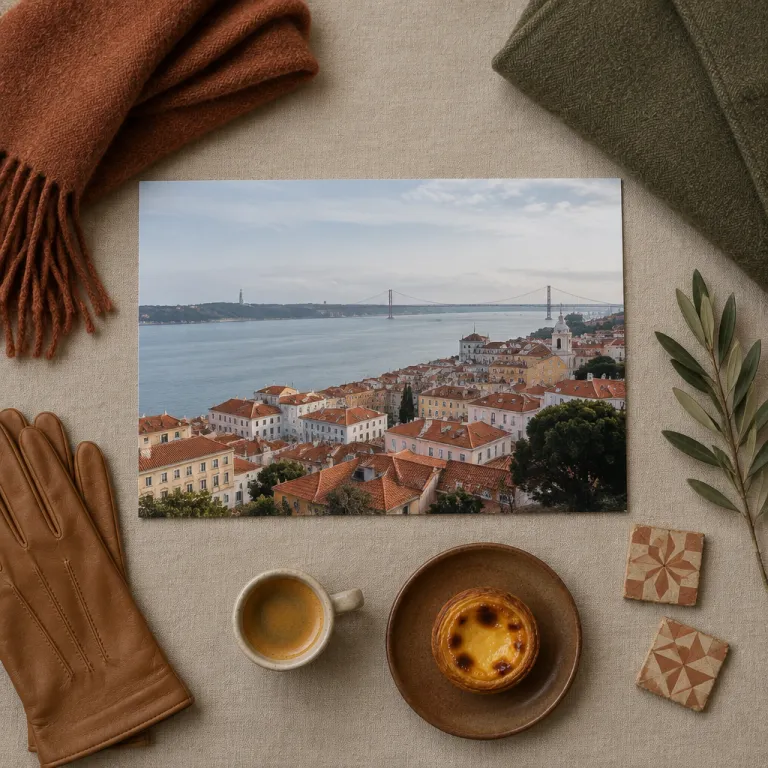
Lisbon in winter: a calm season for thoughtful hotel stays
Why Lisbon in winter suits discerning hotel guests
Lisbon in winter offers softer light, quieter streets, and a calmer rhythm. During this season the city feels intimate, which makes it the ideal moment to appreciate refined hotels and attentive service. Many travellers who usually visit Lisbon in summer are surprised by how much more time they actually spend enjoying their hotel when the weather is cooler.
Average daytime weather in Lisbon in winter often stays around 12–17 °C, so you can comfortably walk the city without the intense heat of peak season. When you plan your time to visit, remember that the month Lisbon residents associate with the most festive atmosphere is December, when Christmas markets, concerts, and riverfront lights transform central streets. For guests choosing where to stay across Lisbon, this winter mood means you can find excellent value in five-star properties that would be fully booked in the summer season, especially if you compare options such as boutique hotels with heated pools or classic luxury addresses with large lounges.
For many, the best time to experience Lisbon, Portugal is when the crowds thin and the city’s rhythm returns to locals. A short day of sightseeing in Alfama or Belém followed by a long evening in your hotel lounge with Portuguese wine feels like a complete visit, not a rushed checklist of things Lisbon is “supposed” to offer. If you are visiting Lisbon as part of a longer trip through Portugal and Spain, planning your Lisbon winter stay between city breaks lets you rest properly while still enjoying urban culture; a typical day might include a slow breakfast, a museum visit, and a relaxed spa session before dinner.
Choosing where to stay in Lisbon Portugal for a winter break
Location is the single most important decision you will make when you book a hotel for Lisbon in winter. The city’s hills feel steeper on a chilly, windy day, so staying close to tram lines or metro stations makes every tour easier. Families planning to visit Lisbon with children for two days should look at central neighbourhoods like Baixa and Chiado, which combine flat streets, good public transport, and quick access to the riverfront; this is especially helpful if you follow a detailed guide such as where to stay and what to do in Lisbon with kids in two days, and choose a family-friendly property with interconnecting rooms.
For a romantic winter Lisbon escape, Alfama offers atmospheric lanes, fado houses, and views over the city that feel magical on a clear December evening. However, the steep streets and cobblestones mean that some guests prefer to stay in flatter central areas and visit Alfama by tram or taxi during the day. When you compare options, remember that the best things about Lisbon in winter are often indoors: wine bars, tiled cafés, and hotel spas, so prioritise properties with generous lounges, fireplaces, and heated pools over rooftop terraces designed purely for summer sunsets.
Travellers who plan several day trips from Lisbon during their stay should consider hotels near Cais do Sodré or Rossio train stations. From here, rail journeys to Cascais, Sintra, or Setúbal are simple, even in less predictable winter weather patterns. If you are combining a Lisbon city break with a longer year-round tour of Portugal, staying near these hubs shortens every travel day and leaves more time to enjoy food and wine in the evening; guests who value convenience often choose the best luxury hotels in Lisbon in winter within a short walk of these stations.
Understanding Lisbon weather, seasons, and the best time to visit
To judge the best time to visit Lisbon, you need to understand how the Atlantic shapes each season. Winter in Lisbon is mild compared with much of Europe, but showers can arrive quickly, so flexible plans are essential. Many guests who first came after reading about the weather in Lisbon in October later return for a cooler stay and rely on resources such as what hotel guests can really expect from Lisbon’s autumn weather to compare seasons and decide whether to prioritise winter or shoulder months.
During Lisbon December weeks, daylight is shorter, yet the city feels alive with locals shopping, meeting friends, and enjoying Christmas markets in Praça do Comércio and Parque Eduardo VII. These markets are smaller than those in central Europe, but they suit the city’s scale and pair beautifully with a glass of Portuguese wine or a hot chocolate. If you prefer to visit Lisbon when the chance of rain is lower but still want to avoid peak season, late winter and early spring can be a great compromise, especially for travellers who enjoy cooler evenings but longer daylight hours.
Summer in Lisbon brings long, bright days, but also higher prices, busier streets, and more intense heat. Many repeat visitors now choose Lisbon in winter as their main time to visit, then return for a shorter summer day or two at the beach. Thinking in terms of the whole year, you might decide that the best time for you is a winter Lisbon stay focused on culture and food, balanced by a later summer trip dedicated to the Atlantic coast; this approach lets you enjoy both mild winter city breaks and classic beach weather without crowding all activities into one visit.
Food, wine, and cosy evenings during Lisbon winter stays
When the weather in Lisbon turns cool and breezy, the city’s food scene becomes your greatest ally. Long lunches in tiled dining rooms, followed by a slow walk back to your hotel, feel perfectly suited to Lisbon in winter. Many travellers say that the best things about visiting Lisbon in the colder season are the long, unhurried meals that would be harder to enjoy in the heat of summer, especially when they include hearty stews, grilled fish, and rich desserts.
Start a December day with a still-warm pastel de nata from Manteigaria or Pastéis de Belém, then pair it with a strong espresso while you plan your tour of the city. For a deeper guide to what to eat in Lisbon, Portugal when you stay near the centre, including traditional stews and seafood that feel ideal in winter, consult a curated resource such as what to eat in Lisbon Portugal near the city centre. In the evening, choose wine bars in Chiado or Príncipe Real, where staff can recommend Portuguese wine flights that match the season, from robust reds to aged Madeira; hotel concierges at many of the best luxury hotels in Lisbon in winter can also secure reservations at intimate restaurants.
Hotel guests who value privacy often arrange private food tours that start directly from the lobby, allowing them to visit Lisbon neighbourhoods like Alfama, Mouraria, and Campo de Ourique without worrying about logistics. These tours work especially well in winter conditions, when shorter days encourage you to focus on a few great experiences rather than many rushed stops. Over the course of a year, you might return to the city several times, but the flavours you find on a cold evening in December will stay with you longest, especially if you combine them with a quiet nightcap in your hotel bar.
Personalised concierge, city tours, and tailored day trips in winter
For travellers choosing a hotel in Lisbon, Portugal, the quality of the concierge team becomes even more important in winter. Shorter daylight hours and changeable weather patterns mean that a flexible, well-connected concierge can transform your stay. Look for properties where the concierge can design a private tour that adapts to the day, shifting between indoor museums, wine tastings, and short outdoor walks as the weather changes, and suggesting the best time to visit each sight.
In my experience, the best hotels for a Lisbon winter break are those where the concierge treats each guest’s visit as a unique project. They help you decide the best time to leave for day trips, arrange drivers who know how to avoid traffic, and secure last-minute tables at restaurants that locals actually frequent. When you are visiting Lisbon for a special occasion, such as an anniversary or a long-awaited city escape, this level of attention turns a simple stay across Lisbon into a memorable season highlight, especially when combined with thoughtful touches like in-room welcome amenities.
Well-planned trips based in Lisbon in winter might include a half day in Sintra’s palaces, a wine-focused afternoon in Azeitão, or a coastal drive to Cascais when the weather is clear. On rainy days, your concierge can redirect you toward indoor things Lisbon does exceptionally well: tile museums, design shops, and intimate fado performances in Alfama. Over the course of the month, Lisbon hotels refine these itineraries, learning from guest feedback to offer ever more tailored experiences throughout the year, which benefits both first-time visitors and returning guests.
Getting around the city and planning festive stays in Lisbon December
Efficient public transport is one of the quiet advantages of Lisbon in winter. Metro lines, trams, and buses run frequently, and you will usually find a seat, which is not always the case in peak season. For hotel guests, this means you can stay in slightly calmer neighbourhoods and still reach the city centre in under fifteen minutes on most days; this is particularly useful if you choose a riverside hotel or a property in a residential district.
During Lisbon December stays, consider buying a 24-hour transport pass so you can hop between Christmas markets, museums, and riverfront viewpoints without worrying about individual tickets. The main markets cluster around central squares, making it easy to plan a relaxed tour that fits the weather and your energy level. If you are travelling with children or older relatives, this flexibility turns visiting Lisbon in winter into a far more comfortable experience than many expect, and allows you to pause for hot drinks or snacks whenever needed.
Taxi and ride-hailing services complement public transport, especially late at night or on very rainy days. Many hotels in central Lisbon now offer digital concierge services that allow you to request a car, book a restaurant, or adjust a day trip directly from your room. Over the year, as you learn which month in Lisbon suits your travel style best, you may find yourself returning in winter more often, drawn by the calm streets, attentive service, and the feeling that the city truly belongs to its residents again.
Key statistics about Lisbon in winter for hotel guests
- Average daytime temperatures in Lisbon in winter typically range between 12 °C and 17 °C, which is significantly milder than many northern European capitals during the same season, according to data from the Portuguese Institute for Sea and Atmosphere (IPMA, 2023; see IPMA climate normals for Lisbon).
- Lisbon records roughly 10–12 rainy days per month in December, January, and February, meaning that most days remain dry enough for comfortable city walks and short outdoor tours (IPMA monthly climate normals, 1991–2020, available via the IPMA official website).
- Hotel occupancy in Lisbon outside the summer peak season often drops by around 10–20 %, which can translate into lower room rates and better availability for high-category rooms, based on figures from Turismo de Portugal’s accommodation statistics for 2022 (consult Turismo de Portugal’s annual accommodation reports for detailed tables).
- Public transport usage in the Lisbon metropolitan area exceeds 500 million passenger journeys per year, with metro and tram networks providing dense coverage of central districts that are most popular with winter visitors, according to annual reports from Metropolitano de Lisboa and Carris (2022; see each operator’s published statistics).
- Lisbon’s main airport, Humberto Delgado Airport, handles more than 30 million passengers annually, and winter months usually see shorter security queues and faster baggage handling compared with the busiest summer weeks, as reported in ANA Aeroportos de Portugal traffic data for 2023 (summarised in ANA’s yearly traffic bulletins).
FAQ about staying in Lisbon in winter
Is Lisbon in winter a good choice for a first visit ?
Lisbon in winter works very well for a first visit because the city is calmer, hotel prices are often lower, and major sights remain open. You can explore Alfama, Belém, and the city centre without the intense heat and long queues of summer. This season also lets you experience local life more authentically, especially around cafés, markets, and neighbourhood restaurants, while still enjoying the comfort of centrally located hotels.
What should I pack for a Lisbon December hotel stay ?
For a Lisbon December stay, pack light layers, a warm sweater, and a waterproof jacket. Comfortable walking shoes with good grip are important because some pavements can be slippery when wet. An umbrella and a scarf will help you adapt quickly to changing weather during the day, and a smarter outfit is useful if you plan dinners at the best luxury hotels Lisbon offers in winter.
Are Christmas markets in Lisbon worth visiting for hotel guests ?
Christmas markets in Lisbon are smaller than those in central Europe but still worth including in your plans. They offer regional food, Portuguese wine, crafts, and live music in central squares that are easy to reach by public transport. Many hotels also create their own festive decorations and small markets, which add to the seasonal atmosphere and make December city breaks feel special.
Can I plan day trips from Lisbon in winter without a car ?
Day trips from Lisbon in winter are straightforward without a car because trains and buses connect the city to Sintra, Cascais, and other nearby destinations. Services run frequently, and winter crowds are lighter, so you can usually find seats even at popular times. Your hotel concierge can advise on the best time to depart and return based on the day’s weather and help you choose the most comfortable route.
Is public transport in Lisbon reliable during the winter season ?
Public transport in Lisbon remains reliable during the winter season, with metro, tram, and bus services operating on regular schedules. Occasional delays can occur during heavy rain, but these are usually short and well communicated. For late night returns to your hotel, taxis and ride-hailing services provide an easy backup option, and many winter visitors find that combining both systems gives them maximum flexibility.
