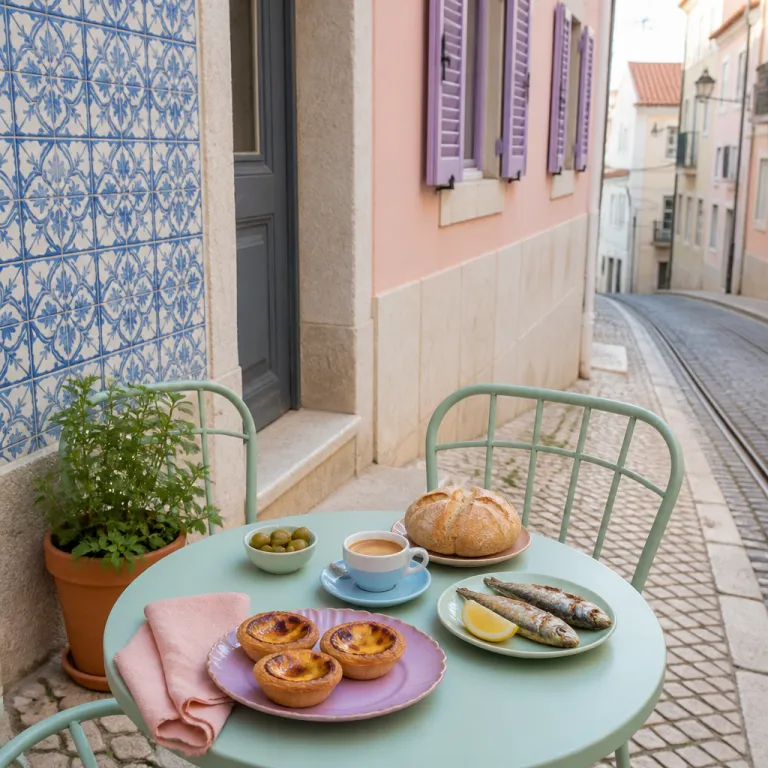
What to eat in Lisbon, Portugal when you stay near the city centre
When travellers ask what to eat in Lisbon, Portugal near central hotels, I usually start with breakfast. Your first meal sets the tone for the day, especially if you plan to walk from your Lisbon hotel through Baixa, Chiado, or Avenida da Liberdade in search of Portuguese food and wine. Many properties now curate small tastings of traditional Portuguese dishes at breakfast, so use that time to map out which Lisbon restaurant or café you will visit later for a more focused food tour.
Begin with a still warm pastel de nata or several pasteis de nata, ideally from a bakery that supplies the hotel or from a nearby pastelaria that staff call their favourite. The classic pastel nata is a small custard tart with a blistered, caramelised surface, and it pairs beautifully with a short, strong drink such as an espresso or a galão that you can easily drink Lisbon style at the counter. If you want to compare versions, try Manteigaria in Chiado or Fabrica da Nata near Restauradores, where pastry chefs craft iconic custard tarts that often appear on hotel breakfast buffets and in-room food and drink menus.
Alongside pastries, look for papo seco bread rolls, which are light, crusty, and perfect for a simple dish of queijo fresco cheese or cured ham. This humble papo seco appears in both singular and plural forms on many breakfast buffets, and it is one of the most traditional Portuguese breads you will encounter in Portugal. If your hotel offers a small corner dedicated to Lisbon food traditions, you may even find a short note explaining what makes this bread so special and why it remains a favourite among locals who grab a quick roll with butter and coffee before catching the tram.
Traditional portuguese dishes and where to eat them from your hotel
Once breakfast is done, the next question is what to eat in Lisbon, Portugal for lunch that truly reflects Portuguese cuisine. Many visitors want the best balance between traditional Portuguese comfort dishes and lighter plates they can eat before an afternoon of sightseeing or a relaxed drink in the hotel bar. You will notice a core group of classic Portuguese dishes listed on chalkboards outside every type of Lisbon restaurant, from simple tascas to more polished dining rooms near major hotels.
Caldo verde is an excellent starting dish, a simple soup of potatoes, shredded greens, and often a slice of chouriço that appears on both hotel menus and in local tascas. This caldo verde is one of the most emblematic Portuguese food options, and it works well as a light lunch or as a warming bowl before grilled seafood or meat in a nearby restaurant. When you eat Lisbon style, you might pair the soup with a glass of regional wine or a non alcoholic drink, creating a balanced food and drink combination that keeps you comfortable for afternoon walking tours.
Salt cod, known locally as bacalhau, is another essential dish, and you will find salt cod in countless recipes from bacalhau à Brás to baked casseroles. Bacalhau à Brás is typically described as shredded cod with onions, potatoes, and eggs, and this recipe appears in many hotel restaurants that want to showcase Portuguese cuisine without overwhelming international palates. Ask your concierge which nearby Lisbon food tours focus on salt cod and other Portuguese dishes, then plan to eat in a small tasca for lunch, such as a neighbourhood spot in Baixa or Mouraria where a main dish often costs between €10 and €15, and return to your hotel later for a more refined interpretation of the same dish at dinner.
Seafood, cervejaria Ramiro, and where to drink Lisbon wines
For travellers who care deeply about what to eat in Lisbon, Portugal at dinner, seafood is usually the highlight. The Atlantic sits just beyond the city, and local seafood suppliers ensure that many restaurants and hotel kitchens receive fish and shellfish that were in the water only hours earlier. Seafood is extremely popular in Lisbon, especially dishes like grilled sardines, and you will see fresh catch of the day boards outside many central restaurants.
Cervejaria Ramiro is perhaps the most famous seafood restaurant in Lisbon, and it is an easy taxi ride from most central hotels. At Cervejaria Ramiro you can eat platters of clams, tiger prawns, and crab, then finish the meal with a simple steak sandwich in papo seco bread, which many regulars call their favourite late night dish. Expect to queue if you arrive after 7 p.m., and plan on spending from €25 to €40 per person depending on how much shellfish you order; if you prefer to stay closer to your hotel, ask staff to recommend a smaller Lisbon restaurant that serves similar seafood dishes, then enjoy a glass of crisp vinho verde wine or a richer white from nearby regions while you drink Lisbon style at the counter.
Many hotel concierges now coordinate food tours that focus on seafood, wine, and petiscos, the Portuguese answer to tapas. These curated food tour experiences often include a stop at a cervejaria, a wine bar, and a casual street food stall, giving you a complete view of what to eat and drink in Portugal without straying far from your room. When you return, your hotel bar might offer a shorter list of Portuguese food and food and drink pairings, such as grilled seafood skewers with a glass of Douro wine or a small dish of octopus salad served alongside a refreshing drink that highlights citrus and local herbs.
Piri chicken, street food, and casual bites between sightseeing
Not every meal needs to be formal, and many guests wonder what to eat in Lisbon, Portugal when they only have an hour between museum visits. This is where street food, piri chicken, and simple sandwiches become essential parts of your Lisbon food strategy. If your hotel is near major sights, you can easily walk to a kiosk or small restaurant, eat a quick dish, and be back in your room in time to rest before dinner.
Piri chicken, sometimes written as piri-piri chicken, is a grilled dish marinated with spicy chilli oil that you will see advertised across Lisbon in both singular and plural forms. Many locals consider piri chicken one of their favourite comfort dishes, and some hotels even offer a refined version through room service for guests who prefer to eat privately. When you order this dish, pair it with a cold drink such as beer or a light wine, creating a relaxed food and drink combination that works well after a long day of walking steep streets in Portugal.
Street food in Lisbon goes beyond piri chicken and includes bifanas, pregos, and simple snacks served in papo seco rolls that you can eat while standing at a counter. Around Time Out Market, sometimes simply called Time Market, you will find stalls that reinterpret traditional Portuguese recipes as modern street food dishes, making it easy to sample many flavours in one place. From your hotel, you can join organised food tours that start at Time Out Market, continue through nearby streets, and end at a wine bar where you drink Lisbon wines and learn more about how Portuguese cuisine has evolved in recent decades.
Wine, porto, and pairing drinks with Portuguese cuisine from your hotel base
Understanding what to eat in Lisbon, Portugal also means understanding what to drink alongside each dish. Portuguese cuisine is closely linked to regional wine, and even if you never leave Lisbon you can taste bottles from the Douro, Alentejo, and Vinho Verde regions without leaving your hotel bar. Many properties now host small tastings that explain what makes each drink unique and how to pair it with specific Portuguese dishes.
Port, or Vinho do Porto, the fortified wine from the north of Portugal, appears on nearly every dessert menu, including those in upscale hotel restaurants. A glass of tawny Port works beautifully with pasteis de nata or a single pastel nata served warm, and this pairing is an elegant way to end a meal after a rich seafood dish or a plate of salt cod. If you prefer lighter options, ask the sommelier or bar team which wine they consider the best match for grilled fish, caldo verde, or piri chicken, then note how each drink changes the way you experience the food.
Beyond wine, many hotels curate lists of cocktails and non alcoholic drinks that highlight local ingredients, giving you more ways to drink Lisbon flavours without leaving the property. These menus often reference nearby bars, food tours, and even street food stalls, encouraging you to explore the city and then return for a final nightcap. While planning your movements between restaurants and your hotel, use practical guides such as this one on how to choose the best Lisbon public transport card for your hotel stay, which helps you move easily between wine bars, markets, and the waterfront.
Planning a full culinary day from your Lisbon hotel
To make the most of what to eat in Lisbon, Portugal, it helps to structure a full culinary day around your hotel location. A simple timeline of breakfast with pastel de nata, lunch with a salt cod dish such as bacalhau à Brás, and dinner with a hearty stew like cozido à Portuguesa works well for many visitors. You can adapt this plan to your own pace, choosing when to eat in a restaurant, when to rely on street food, and when to enjoy a quiet meal in your room.
Start with breakfast in or near your hotel, focusing on Portuguese food classics such as pasteis de nata, papo seco, and strong coffee that you drink Lisbon style at the counter. For lunch, choose a Lisbon restaurant within walking distance that specialises in traditional Portuguese cuisine, perhaps one recommended by your concierge or by local food tours that know which kitchens treat salt cod and caldo verde with particular care. In the afternoon, snack on street food near Time Out Market or another central hub, then return to your hotel to rest before a longer evening meal that might feature seafood, piri chicken, or other Portuguese dishes paired with wine or Port.
By evening, you will have a clearer sense of what your favourite flavours are and which dishes you still want to try before leaving Portugal. Ask hotel staff to book a table at Cervejaria Ramiro or another respected seafood restaurant, or join a guided food tour that ends close to your hotel so you can walk back comfortably after several food and drink tastings. With this structure, your hotel becomes more than a place to sleep; it becomes a calm base for exploring Lisbon food culture in depth, one carefully chosen dish at a time.
Key figures for Lisbon culinary travel
- Local tourism information highlights a core group of widely recognised traditional dishes in the city, giving visitors a substantial but manageable list of Portuguese dishes to prioritise during a short hotel stay.
- Lisbon welcomes hundreds of thousands of visitors each year who include culinary experiences in their plans, which underlines how central Portuguese cuisine, wine, and street food have become to the city's hospitality sector.
- Seafood remains one of the strongest draws for travellers, with grilled sardines, salt cod recipes, and shellfish houses such as Cervejaria Ramiro consistently ranking among the best rated options in independent restaurant surveys.
- Food tours have grown steadily in popularity, with local operators reporting year on year increases in bookings as more hotel guests choose guided tastings instead of navigating the Lisbon food scene alone.
FAQ: what to eat in Lisbon, Portugal from your hotel base
What is Bacalhau à Brás and where can I try it ?
Bacalhau à Brás is a traditional Portuguese dish made from shredded salt cod, onions, thin potato matchsticks, and eggs cooked together into a savoury scramble. It is often defined simply as shredded cod with onions, potatoes, and eggs, and you will find it in many neighbourhood restaurants near central hotels. Ask your concierge for a nearby Lisbon restaurant that serves a classic version at lunch, then compare it with any modern interpretation you might find at Time Out Market.
Where can I find the best pastel de nata near my hotel ?
Many travellers use famous spots such as Pastéis de Belém as a benchmark for quality, and this remains a reference point for anyone who loves custard tarts. If your hotel is far from Belém, ask staff which local pastelaria they consider the best for pasteis de nata within walking distance. Many hotels also serve a very good pastel nata at breakfast, often supplied daily by nearby pastel de nata bakers who specialise in this iconic Portuguese food.
Is seafood really that popular in Lisbon restaurants ?
Yes, seafood is central to what to eat in Lisbon, Portugal, and you will see this reflected on almost every menu in the city. From casual street food stalls selling fried fish to formal dining rooms serving elaborate seafood dishes, fish and shellfish appear in every neighbourhood. Cervejaria Ramiro is a famous example, but many smaller Lisbon restaurant options near hotels offer excellent grilled sardines, octopus, and other local seafood.
Should I join a food tour or explore Lisbon food on my own ?
Both approaches work well, and your choice depends on how confident you feel navigating Portuguese cuisine and language. A guided food tour can be the best option for your first night, giving you an overview of what to eat, where to drink Lisbon wines, and how to recognise quality in street food and traditional Portuguese dishes. After that, you can use what you learned to choose restaurants near your hotel and to decide when to eat in markets such as Time Out Market or in quieter neighbourhood spots.
What should I prioritise if I only have one full day in Lisbon ?
With a single day, focus on a structured plan that starts with pasteis de nata and coffee near your hotel, continues with a lunch of salt cod or caldo verde in a traditional restaurant, and ends with a seafood dinner paired with wine or Port. This sequence touches the main pillars of Portuguese food while keeping travel times short, especially if you choose a centrally located hotel. You can supplement these meals with quick street food snacks and a short visit to Time Out Market, ensuring you experience both classic dishes and more contemporary Lisbon food in one carefully planned day.