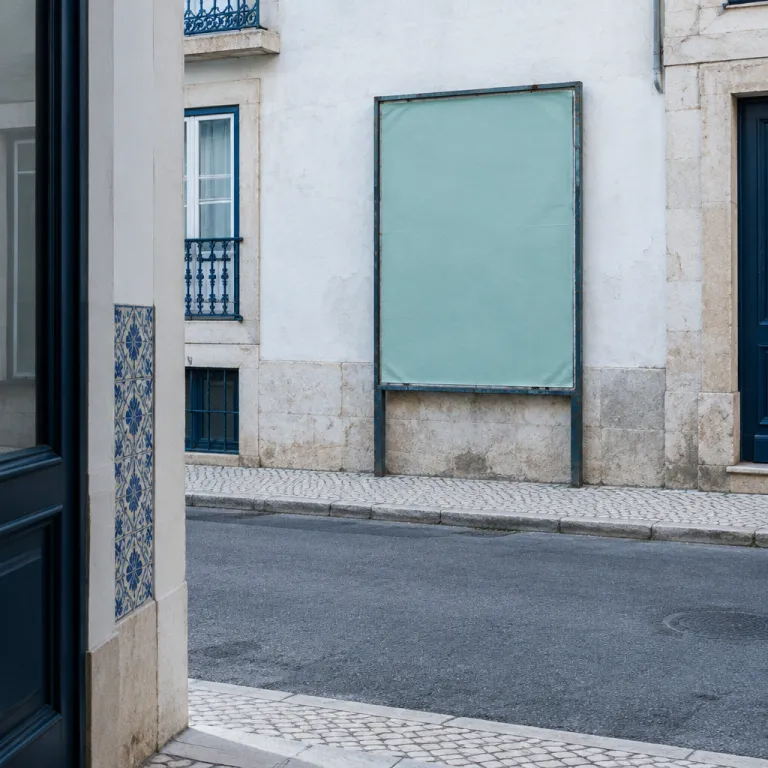
Lisbon billboards as your first guide to the city
Arriving in Lisbon Portugal, your first impressions often come from light, tiles, and the rhythm of the streets. As your taxi glides from the airport toward the centre during the day, you also move through a curated gallery of Lisbon billboards that quietly frames your expectations of the city. Those billboards and digital billboards do more than sell products, they introduce neighbourhoods, hint at nightlife, and even suggest which hotel might suit your style.
Along the main approach roads into Lisbon, outdoor advertising mixes static billboard advertising with glowing digital screens that highlight new hotels, rooftop bars, and cultural events. These billboard ads are operated by major media players such as MOP and JCDecaux Portugal, whose outdoor ads are carefully licensed by Lisbon City Council to protect the skyline and historic views. When you choose a hotel near these corridors, you are choosing a front row seat to the city’s most visible advertising Lisbon narratives.
In central Lisbon Portugal, the balance between heritage and advertising is deliberate and tightly managed. Municipal rules limit where a Lisbon billboard can stand, how bright digital billboards may shine, and how long motion can run at night, which keeps hotel façades and traditional azulejo tiles from being overwhelmed. As one Baixa hotel manager put it, “we want guests to feel the city’s energy the moment they step outside, but once they close the shutters, Lisbon should go quiet enough for real rest.” For guests, this means you can enjoy the energy of media and ads without losing the charm that drew you to Lisbon in the first place.
From avenida da Liberdade LEDs to fado nights near your hotel
Staying near Avenida da Liberdade places you at the heart of Lisbon’s most polished advertising corridor. Here, premium billboards and digital screens sit beside luxury hotels and designer retail, so your evening walk from lobby to dinner becomes a live mood board of fashion, gastronomy, and cultural campaign messages. Look up at the iconic LEDs and you will see how each Lisbon billboard is designed to echo the avenue’s tree lined elegance rather than compete with it.
These place based media formats are not random, because operators use real time data on traffic, weather, and events to schedule billboard advertising that feels surprisingly relevant to your stay. During a major party congress or a football match, billboard ads might highlight viewing parties, while at other times they promote fado performances in Alfama that you can reach easily from central hotels. If you are planning an evening of traditional music, pair your walk past the digital billboards with some advance reading on fado season in Alfama and Mouraria to choose a hotel that respects quiet hours yet keeps you close to the action.
Political life also appears on Lisbon billboards, especially around election periods when each party competes for attention. You may notice the socialist party, the social democratic party, Chega, and Iniciativa Liberal using both traditional billboard formats and digital billboard networks to present their messages. For visitors, these political ads offer a quick primer on Portugal’s democratic party landscape and help you understand conversations you might overhear later in hotel lounges or fado bars.
How outdoor ads influence where you sleep, shop, and listen to fado
When you research hotels in Lisbon, you probably focus on views, breakfast, and proximity to tram lines. Yet once you arrive, the pattern of outdoor advertising around your chosen address subtly shapes how you move through the city and which experiences you prioritise. A cluster of digital billboards near your hotel entrance can signal a lively, contemporary area, while fewer billboards may indicate a protected historic quarter with stricter rules.
In Baixa and the older parts of Lisbon Portugal, static billboards are heavily restricted to preserve the architectural fabric and the atmosphere that makes fado so evocative. This means that hotels in these districts rely less on large scale billboard advertising and more on discreet signage, word of mouth, and digital campaigns to reach you before you travel. If you value quiet streets and traditional ambience, you may prefer these neighbourhoods, then use online guides about how Portugal Christmas traditions shape your Lisbon hotel stay, such as this seasonal overview, to time your visit.
By contrast, areas around major retail hubs and transport interchanges feature dense outdoor ads and digital screens that highlight shopping, concerts, and late night party venues. Hotels here benefit from constant media visibility, as ads for their rooftop bars or spas appear on nearby digital billboards in real time when the weather turns sunny or a special event begins. Your choice becomes a trade off between immersion in Lisbon’s creative advertising scene and the calmer rhythms of more residential quarters.
Fado, art, and political stories on Lisbon’s digital screens
Lisbon’s digital screens do not only promote sales and short term offers, they increasingly carry cultural content that reflects the city’s identity. During festivals, you may see campaigns celebrating fado, street art, or contemporary exhibitions, which can inspire you to choose a hotel closer to those venues. Some properties even coordinate with media partners so that a digital billboard near their entrance highlights in house concerts or collaborations with local musicians.
Election seasons bring another layer of narrative, as each party uses billboard ads to express its vision for Lisbon Portugal. You might see the socialist party emphasising social programmes, the social democratic party focusing on economic themes, Chega using bold colours, and Iniciativa Liberal or Iniciativa Liberal aligned groups highlighting business friendly messages. These political campaigns often run on both classic billboards and digital billboards, turning your tram ride back to the hotel into a moving gallery of democratic party communication.
For travellers interested in design, the creative quality of advertising Lisbon wide can be a reason to stay longer in certain districts. Some hotel concierges even point guests toward routes where outdoor advertising and street art intersect, especially near Avenida da Liberdade and the riverside. If you want to bring a piece of this visual culture home, guides to elegant ways to bring Lisbon home through traditional souvenirs, such as the one on authentic Lisbon souvenirs, pair well with your own photographs of favourite billboards.
Behind the screens: regulation, brightness, and your room at night
Choosing a hotel near major Lisbon billboards raises a practical question about light and sleep. Lisbon City Council regulates outdoor advertising carefully, especially digital billboard brightness and motion, to protect residents and visitors from excessive glare. For guests, this means that even in busy areas with many digital screens, your room is less likely to be flooded with harsh light late at night.
Local rules limit continuous motion on digital billboards between evening and early morning, and operators must reduce luminosity after a set hour. Official guidance from the municipal advertising code explains that digital billboards are permitted at night but with strict brightness limits and no continuous motion during designated quiet hours. When you book, ask whether your room faces a major Lisbon billboard or quieter courtyard, so you can balance city views with restful darkness.
Major media companies such as MOP and JCDecaux Portugal manage extensive networks of billboards and digital screens across Lisbon Portugal, including metro stations and airport terminals. Programmatic technology allows them to adjust billboard ads in real time, but they still operate within municipal frameworks that prioritise heritage and liveability. Hotels that engage proactively with these operators often secure tasteful, well integrated signage that complements rather than overwhelms their façades.
Practical tips for reading Lisbon’s billboards when booking your stay
When you scan photos of a potential hotel, pay attention to any billboard or digital screen visible in the frame. A prominent Lisbon billboard outside the entrance can indicate strong transport links, high footfall, and easy access to retail and cultural venues. At the same time, it may signal a livelier party atmosphere, especially on weekends when nightlife ads and event campaigns dominate the media mix.
Look up the surrounding streets on a map and note whether they sit along major outdoor advertising corridors such as Avenida da Liberdade or near metro hubs. Areas with dense billboard advertising and outdoor ads tend to offer quick access to theatres, concert halls, and shopping, which suits guests who want to maximise every day and night. Quieter residential zones with fewer billboards often appeal to travellers seeking slower mornings, intimate fado houses, and more local cafés.
If you are sensitive to visual clutter, consider hotels in historic districts where static billboards are restricted and digital billboards are rare. Those neighbourhoods still feature subtle advertising Lisbon style, such as small signs and tasteful posters, but the skyline remains dominated by church towers and tiled façades. Whether you stay in a lively media corridor or a protected quarter, understanding how Lisbon billboards map onto the city will help you choose a hotel that matches your rhythm.
Key figures that shape the billboard landscape around your hotel
- Lisbon’s digital out of home network is frequently described by media operators as including around 2 200 digital screens, which means guests in central districts are rarely more than a short walk from at least one illuminated advertising surface (figures typically cited in DOOH Advertising Lisbon market guides and operator presentations).
- Metro de Lisboa records roughly 170 million passenger journeys per year, according to its published annual statistics, making its stations prime locations for billboard ads and digital billboards that many hotel guests will encounter daily when using public transport.
- Partnerships such as Galp with MOP and JCDecaux Portugal with VIOOH show how energy brands and premium media operators collaborate to run creative campaigns that often frame the approaches to major hotels.
- Municipal policies that restrict static billboards in historic Baixa while allowing controlled outdoor advertising elsewhere help maintain the visual integrity of key heritage zones where many characterful hotels are located.
- Stricter limits on digital billboard brightness and the prohibition of continuous motion at night, set out in Lisbon’s outdoor advertising regulations, reduce light pollution and directly improve sleep quality for hotel guests staying near busy advertising corridors.
FAQ about Lisbon billboards and your hotel choice
Do Lisbon billboards need a licence from the city?
Any billboard or digital billboard visible from the public domain in Lisbon generally requires municipal licensing, except for small shop signs that meet specific criteria. This licensing process allows Lisbon City Council to control the density, size, and placement of outdoor ads. For hotel guests, it means the advertising landscape is curated rather than chaotic.
Will digital billboards disturb my sleep at night?
Digital billboards in Lisbon must comply with strict rules on brightness and motion, especially during night hours. Operators are required to dim screens and avoid continuous movement between evening and early morning, which reduces intrusive light. When booking, you can still request a room facing away from major digital screens if you are particularly light sensitive.
Which companies operate most billboards in Lisbon?
The largest operators of Lisbon billboards include MOP, JCDecaux Portugal, DREAMMEDIA, and Liftmedia. These companies manage a mix of static billboards, digital screens, street furniture, and transit media across Lisbon Portugal. Their networks often extend into areas with high hotel density, such as central avenues and transport hubs.
Are there fewer billboards in historic neighbourhoods?
Historic districts such as Baixa and parts of Alfama face tighter controls on billboard advertising to protect architectural heritage. Static billboards are heavily restricted, and digital billboards are rare, which keeps façades and squares visually uncluttered. Hotels in these areas offer a more traditional streetscape, with advertising limited mainly to smaller signs and posters.
How do billboards reflect political life in Lisbon?
During election periods, parties such as the socialist party, the social democratic party, Chega, and Iniciativa Liberal use billboards and digital billboards extensively. Their campaigns appear on major corridors and near transport nodes, giving visitors a quick snapshot of Portugal’s democratic party landscape. You may notice these political messages on your routes between the hotel, airport, and cultural districts.
References
- Lisbon City Council – municipal regulations on outdoor advertising and public space management, including rules on licensing, brightness, and motion for digital billboards.
- Metro de Lisboa – published passenger statistics and information on station media networks, which explain why metro stations are key locations for billboard advertising.
- JCDecaux Portugal, MOP, and other operators – market materials and DOOH reports describing billboard and digital screen formats in Lisbon, as well as approximate network sizes.