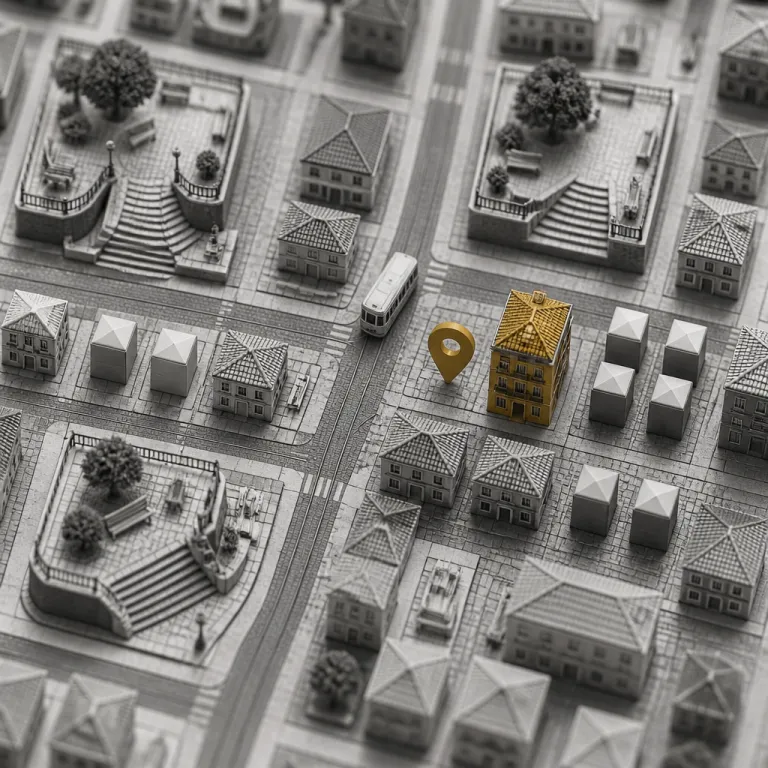
How a curated Lisbon miradouros list shapes your hotel choice
Choosing a hotel in Lisbon is far easier when you first understand how the city’s hills and every miradouro define daily movement. Many travellers focus only on room size and price, yet the best stays in Lisboa Portugal often come from aligning your base with the viewpoints that match your rhythm, from quiet sunrise terraces to lively sunset terraces. When you study a thoughtful Lisbon miradouros list before booking, you anchor your plans around the views that matter most to you.
Lisbon is a layered city where each viewpoint reveals a different story about Portugal, from Moorish walls to riverfront warehouses and gleaming museums. Municipal tourism sources describe more than a dozen officially signposted miradouros in the city, and many of these viewpoints Lisbon locations are maintained with seating, lighting and signage by the Lisbon City Council. Because of this network, you can select a hotel that keeps you nearby at least one top viewpoint, reducing uphill walks and maximising time enjoying the views Lisbon is famous for.
For a first stay, many guests want quick access to a classic miradouro with a sweeping view of the Tagus River. Others prefer being close to a quieter viewpoint in a residential area, where the view feels more local and less crowded at sunset. By mapping your preferred miradouros against hotel districts, you transform a simple booking into a tailored city strategy, especially when you sketch a basic map or use a digital map layer to mark each terrace and note approximate walking times.
Alfama and the castle heights: miradouros above the Tagus River
The Alfama district is the historic heart of Lisbon, and any serious Lisbon miradouros list starts on these slopes above the Tagus River. Here, the best viewpoints cluster around the castle hill, offering a layered view of terracotta roofs, church towers and cruise ships sliding along the water. Staying in or near Alfama places you within walking distance of several top terraces, though the climbs can be steep and often involve staircases.
Miradouro de Santa Luzia is perhaps the most photographed miradouro in this part of the city, with azulejo panels framing a view that stretches from the Igreja de São Vicente de Fora to the river. Just a few steps away, Miradouro das Portas do Sol offers one of the best views Lisbon can provide of Alfama’s maze of streets, and many visitors debate which of these viewpoints deserves the title of best. When you compare hotels, check how long it takes on foot from reception to Santa Luzia or Portas do Sol, because that distance will shape your mornings and evenings; many central Alfama stays sit roughly 5 to 10 minutes’ walk from at least one of these terraces.
Above them all rises Castelo de São Jorge, the medieval castle whose walls function as a vast viewpoint in their own right. Inside the complex, you gain a commanding view over central Lisboa Portugal, from the Baixa grid to the riverfront and the distant Ponte 25 de Abril. If you value history as much as views, a hotel nearby the castle hill lets you weave short visits to São Jorge into your daily routine, often reached by a 10 to 15 minute uphill walk or a quick tram or tuk tuk ride from the lower streets; the castle usually opens in the morning and closes around sunset, so staying close makes it easier to time your visit for golden hour.
Graça and São Vicente: elevated viewpoints in lived in neighbourhoods
North of Alfama, the Graça neighbourhood offers some of the best viewpoints Lisbon has for guests who want a more residential atmosphere. The climb to each miradouro here is longer, yet the reward is a broader view that takes in the castle, the river and the western hills in a single sweep. Hotels and guesthouses on these slopes suit travellers who enjoy walking and want quieter evenings after visiting the busy centre, with tram 28E and local buses helping to reduce the steepest sections.
Miradouro da Graça, often called Miradouro Graça, is anchored by a church and a café terrace where locals linger over coffee while admiring the city. From this miradouro you see Castelo São Jorge from above, along with the grid of downtown streets and the distant Tagus River, creating one of the best views for photographers. Slightly further along the ridge, Miradouro da Senhora do Monte offers another top viewpoint, and together these miradouros form a natural circuit for sunset walks that many visitors cover in about 20 to 30 minutes on foot.
Close by stands the monumental Igreja de São Vicente de Fora, which adds another layer to your Lisbon miradouros list because its rooftop terraces also function as a viewpoint. When you stay near São Vicente, you can easily walk between the church, the Graça viewpoints and the Alfama lanes below, experiencing several perspectives in a single outing. For many repeat visitors, this combination of miradouro, monastery and lived in streets represents the best of Lisboa Portugal, especially when you follow simple wayfinding signs or a printed neighbourhood map that marks tram stops and stairways.
Bairro Alto, São Pedro de Alcântara and Santa Catarina: classic sunset terraces
Across the valley from the castle, the Bairro Alto ridge hosts some of the most iconic viewpoints Lisbon offers to hotel guests who enjoy nightlife and late dinners. Here, the focus shifts from the Alfama rooftops to the grand avenues of the Baixa and the riverfront beyond, with the views often framed by trees and landscaped terraces. If you plan to spend evenings out, staying nearby these miradouros can reduce late night taxi rides and keep everything within walking distance.
Miradouro de São Pedro de Alcântara, sometimes shortened to São Pedro Alcântara, is a landscaped terrace with fountains, a geometric garden and a famous view of the castle skyline. From this miradouro São Pedro viewpoint, you see the full profile of Castelo São Jorge, the dome of the National Pantheon and the river in the distance, making it one of the best viewpoints for orienting yourself in the city. Many travellers consider it the top entry on any Lisbon miradouros list, especially because it connects to the lower city via the Elevador da Glória funicular, which links Praça dos Restauradores to the terrace in just a few minutes and usually runs from early morning until late evening.
Further west, Miradouro de Santa Catarina offers a different mood, with a relaxed crowd gathering each evening to watch the sunset over the Tagus River. This Miradouro Santa Catarina terrace looks towards the Ponte 25 de Abril and the port, giving a wide view that feels more open and maritime than the castle facing viewpoints. If you want to experience the best views at golden hour, choosing accommodation between São Pedro de Alcântara and Santa Catarina keeps both terraces close at hand, typically within a 10 to 15 minute stroll along the ridge streets; a simple annotated map or hotel handout can help you trace this route.
Downtown perspectives: Santa Justa, riverside walks and practical hotel zones
In the lower city, viewpoints Lisbon options are more vertical than hilltop, yet they still deserve a place on any serious Lisbon miradouros list. The Santa Justa Lift, or Elevador de Santa Justa, rises from the Baixa streets to a metal platform with a striking view towards the castle and the Chiado rooftops. Hotels in this central area suit guests who want flat walks to restaurants and shops while still having quick access to at least one elevated viewpoint.
From the top of Santa Justa, the view stretches across the grid of downtown streets, revealing how the city was rebuilt after the earthquake and how the hills frame every perspective. This Santa Justa viewpoint is particularly useful on your first day, because it helps you understand how the castle, the river and the Bairro Alto ridge align, making later visits to other miradouros easier to plan. Many travellers combine a ride on the lift with a walk towards Chiado and then up to São Pedro Alcântara, linking multiple viewpoints in a single route that can be sketched on a simple city map and followed with tram or metro connections if needed.
Down at river level, the promenade along the Tagus River does not count as a formal miradouro, yet it offers long, open views that complement the hilltop terraces. Staying in a hotel near the waterfront gives you a different kind of view, with sunrise light on the water and easy access to ferries and tram lines. When you balance hilltop viewpoints with riverside walks, you experience the full range of views Lisbon can offer in a short stay, and you can capture contrasting photos from both elevated and ground level perspectives.
Planning your hotel stay around Lisbon’s miradouros network
Because Lisbon has numerous official miradouros spread across its hills, planning your hotel stay around them is both practical and rewarding. The Lisbon City Council oversees maintenance of many of these public spaces, while local kiosk vendors operate refreshment stands that make each viewpoint feel like a small square. This coordinated network means you can treat every miradouro as both a scenic stop and a comfortable rest point during your walks.
When you compare hotels, look beyond generic promises of a city view and ask which specific miradouro lies nearby, and how long the walk takes in minutes. A property near Miradouro das Portas do Sol will give you quick access to Alfama’s lanes and the castle, while a stay close to Miradouro Graça or Senhora do Monte suits guests who enjoy quieter evenings with wide views. If you prefer nightlife and dining variety, a base near São Pedro de Alcântara or Santa Catarina offers some of the best viewpoints for combining sunset drinks with short strolls back to your room.
Practical details matter, especially in a hilly city like Lisboa Portugal where slopes can be demanding after a long day visiting museums and monuments. Wear comfortable shoes for hilly terrain, visit at sunset for best views, and check local guides or official tourism brochures for less crowded times and updated access information. What is a miradouro? A miradouro is a viewpoint offering panoramic views of Lisbon. Are Lisbon's miradouros free to visit? Most miradouros are free; some may have entry fees. Which miradouro offers the best sunset view? Miradouro de Santa Catarina is renowned for sunset views.
Key figures for Lisbon’s miradouros and visitor experience
- Lisbon has many official miradouros classified as public viewpoints, according to the Lisbon Tourism Board and municipal tourism materials, which helps explain why viewpoints Lisbon experiences feel accessible from most central hotels; city maps typically highlight more than a dozen named terraces.
- These miradouros receive large numbers of visitors each year, as indicated by Lisbon Tourism Board reports and local tourism studies, showing how central the best viewpoints are to the city’s tourism economy and to walking itineraries promoted by official guides.
- The concentration of miradouros around Alfama, Graça and Bairro Alto means that staying within roughly 1 to 2 kilometres of the historic centre usually places guests within a 10 to 20 minute walk of at least one top viewpoint, based on average walking speeds used in municipal wayfinding signs.
- Guided miradouro tours have grown in popularity in recent seasons, reflecting increased demand for curated Lisbon miradouros list experiences that combine history, architecture and panoramic views; many operators now include tram rides or funiculars to reduce uphill walking.
FAQ: practical questions about Lisbon’s miradouros
What is a miradouro in Lisbon?
A miradouro in Lisbon is a designated viewpoint, usually a terrace or landscaped platform, offering panoramic views over the city, the castle and often the Tagus River. Many miradouros include seating, trees and sometimes kiosks, making them comfortable places to pause between sightseeing stops. They are central to how visitors and residents experience the city’s hilly topography.
Are Lisbon’s miradouros free to visit?
Most miradouros in Lisbon are free public spaces maintained by the Lisbon City Council, which treats them as part of the city’s open air heritage. A few viewpoints located inside monuments or private attractions, such as castle walls or museum rooftops, may charge an entry fee that covers the entire site. Always check opening hours and ticket conditions when the viewpoint sits within a paid monument.
Which miradouros offer the best sunset views?
For sunset, Miradouro de Santa Catarina is widely regarded as one of the best viewpoints, thanks to its open view over the Tagus River and the Ponte 25 de Abril. São Pedro de Alcântara and Senhora do Monte also provide excellent sunset views Lisbon wide, with the castle and downtown skyline glowing in the late light. Choosing a hotel within walking distance of at least one of these terraces makes spontaneous evening visits much easier.
How many miradouros should I include in a short stay?
On a two or three night stay, most visitors comfortably include four to six miradouros without feeling rushed, especially if they cluster them by neighbourhood. A balanced Lisbon miradouros list might feature Santa Luzia and Portas do Sol in Alfama, Graça or Senhora do Monte on the northern ridge, and São Pedro de Alcântara or Santa Catarina on the western side. This mix gives you varied perspectives on the city, the castle and the river while keeping walking times reasonable.
How should I choose a hotel if viewpoints are my priority?
If viewpoints are central to your trip, start by deciding whether you prefer castle facing views, river facing views or broad skyline panoramas. Then, select two or three miradouros that match this preference and search for hotels within a comfortable walking radius, ideally under 15 minutes on foot. This approach ensures that your accommodation supports, rather than complicates, your daily routes between the best viewpoints Lisbon has to offer, and it makes it easier to match your chosen miradouros to a simple printed or digital map.